Boris Yeltsin
Birthday: February 01, 1931
Death: April 23, 2007
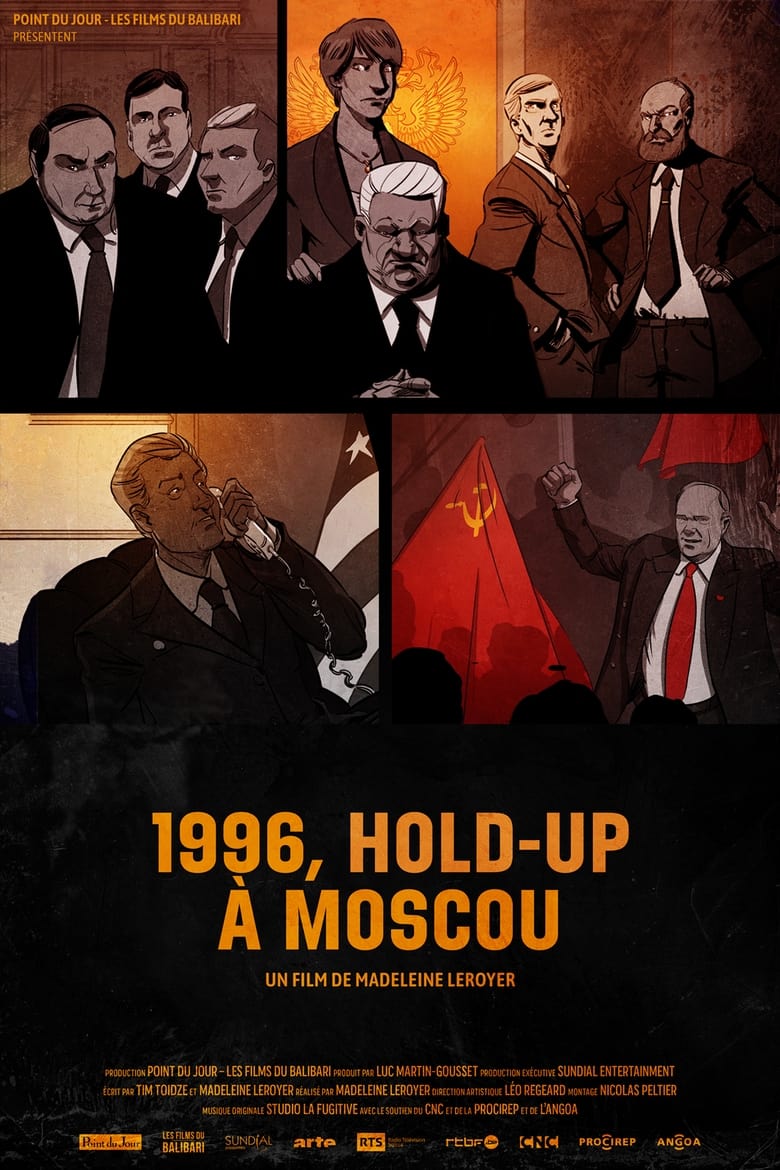
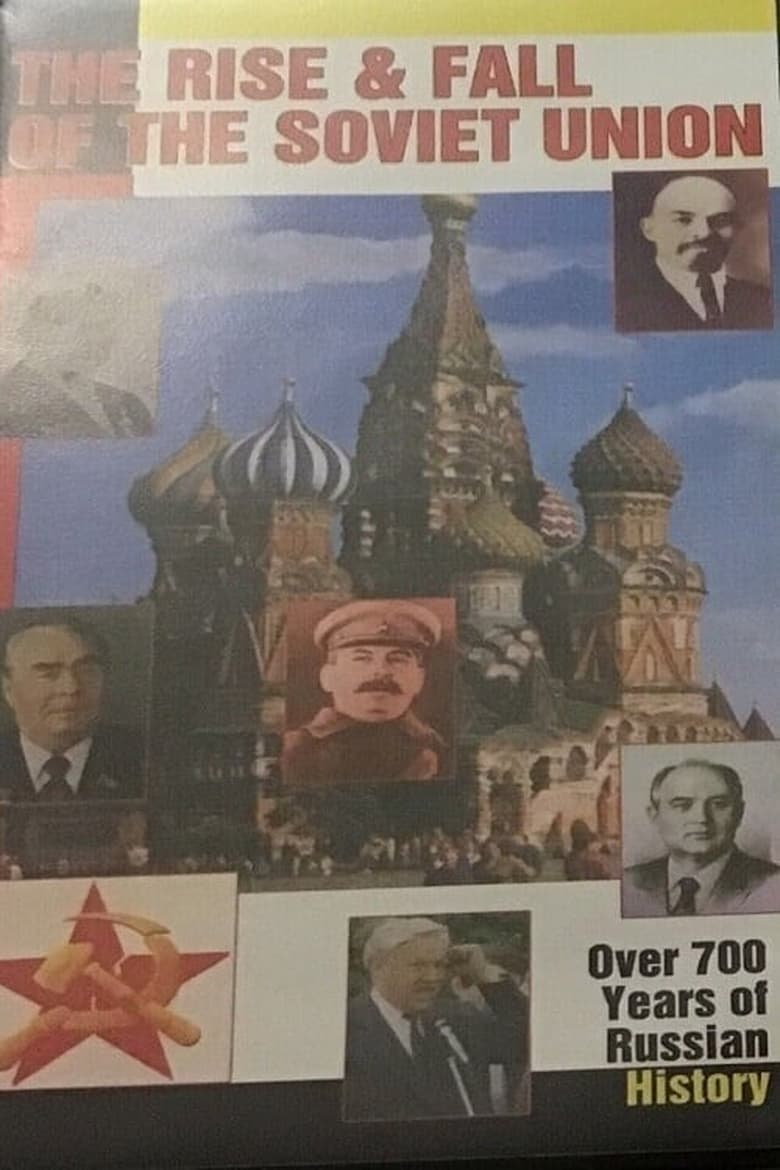
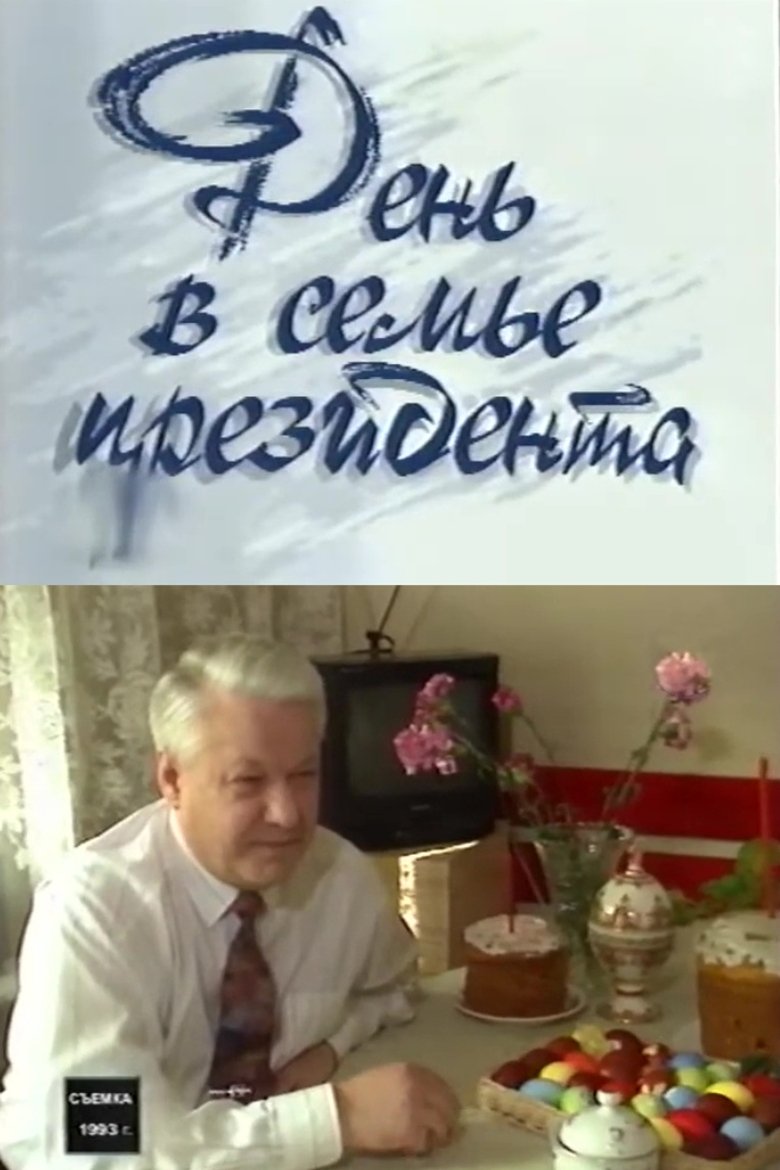
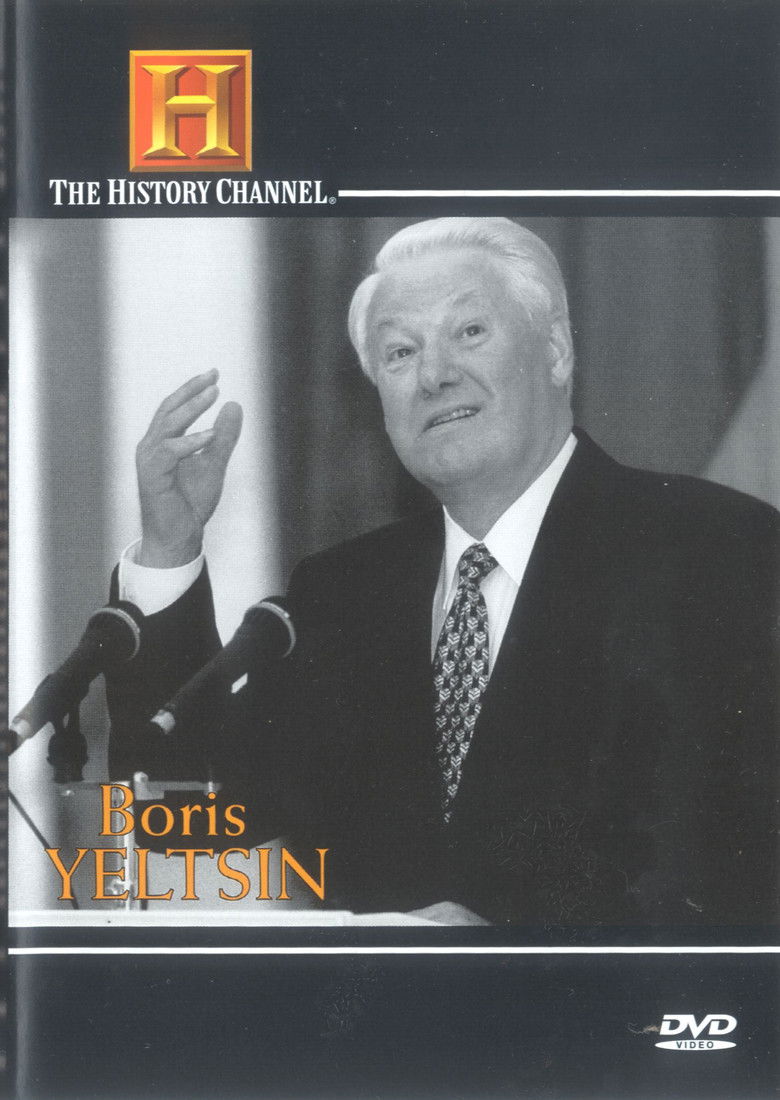
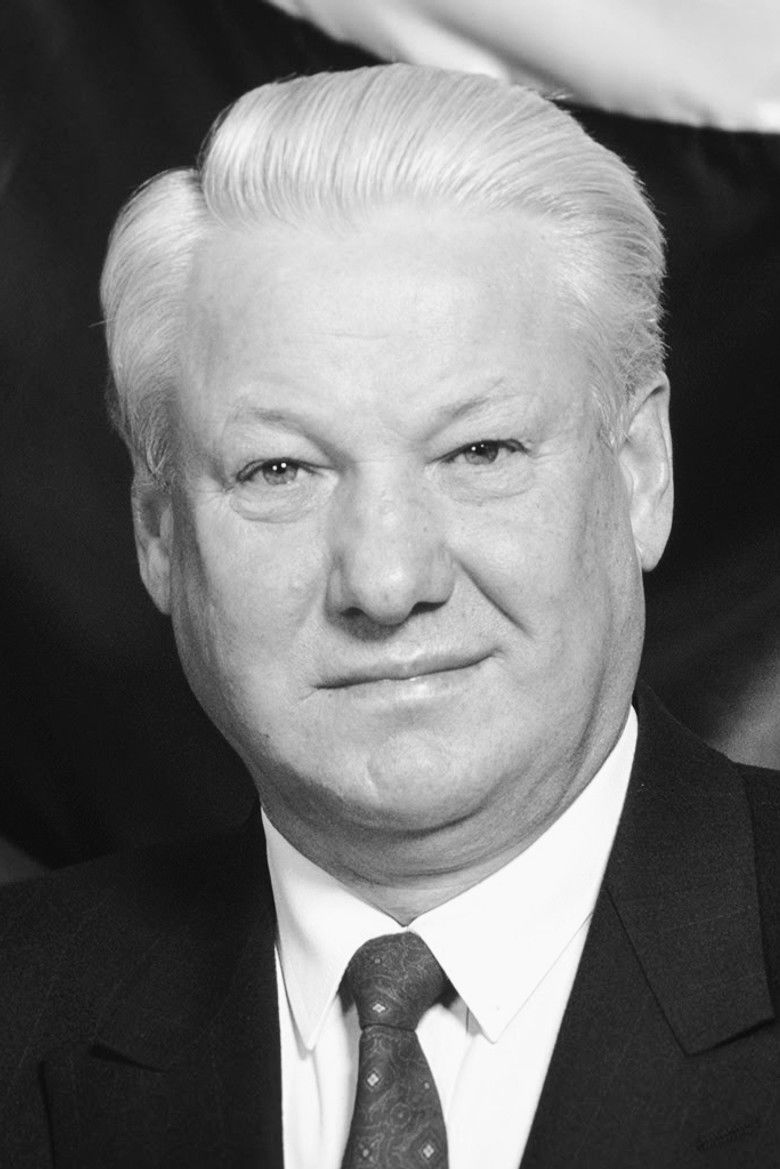
Boris Nikolayevich Yeltsin (Russian: Борис Николаевич Ельцин; 1 February 1931 – 23 April 2007) was a Soviet and Russian politician who served as the first president of Russia from 1991 to 1999. He was a member of the Communist Party of the Soviet Union from 1961 to 1990. He later stood as a political independent, during which time he was viewed as being ideologically aligned with liberalism and Russian nationalism. Yeltsin was born in Butka, Ural Oblast. He grew up in Kazan and Berezniki. After studying at the Ural State Technical University, he worked in construction. After joining the Communist Party, he rose through its ranks, and in 1976 he became First Secretary of the party's Sverdlovsk Oblast committee. Yeltsin was initially a supporter of the perestroika reforms of Soviet leader Mikhail Gorbachev. He later criticized the reforms as being too moderate, and called for a transition to a multi-party representative democracy. In 1987 he was the first person to resign from the Politburo of the Communist Party of the Soviet Union, which established his popularity as an anti-establishment figure. In 1990, he was elected chair of the Russian Supreme Soviet and in 1991 was elected president of the Russian Soviet Federative Socialist Republic (RSFSR), becoming the first popularly-elected head of state in Russian history. Yeltsin allied with various non-Russian nationalist leaders, and was instrumental in the formal dissolution of the Soviet Union in December of that year. With the dissolution of the Soviet Union, the RSFSR became the Russian Federation, an independent state. Through that transition, Yeltsin remained in office as president. He was later reelected in the 1996 election, which was claimed by critics to be pervasively corrupt. Yeltsin transformed Russia's command economy into a capitalist market economy by implementing economic shock therapy, market exchange rate of the ruble, nationwide privatization, and lifting of price controls. Economic downturn, volatility and inflation ensued. Amid the economic shift, a small number of oligarchs obtained a majority of the national property and wealth, while international monopolies came to dominate the market. A constitutional crisis emerged in 1993 after Yeltsin ordered the unconstitutional dissolution of the Russian parliament, leading parliament to impeach him. The crisis ended after troops loyal to Yeltsin stormed the parliament building and stopped an armed uprising; he then introduced a new constitution which significantly expanded the powers of the president. Secessionist sentiment in the Russian Caucasus led to the First Chechen War, War of Dagestan, and Second Chechen War between 1994 and 1999. Internationally, Yeltsin promoted renewed collaboration with Europe and signed arms control agreements with the United States. Amid growing internal pressure, he resigned by the end of 1999 and was succeeded as president by his chosen successor, Vladimir Putin, whom he had appointed prime minister a few months earlier. He kept a low profile after leaving office and was accorded a state funeral upon his death in 2007. ... Source: Article "Boris Yeltsin" from Wikipedia in English, licensed under CC-BY-SA 3.0.