Nicoletta
Birthday: April 11, 1944
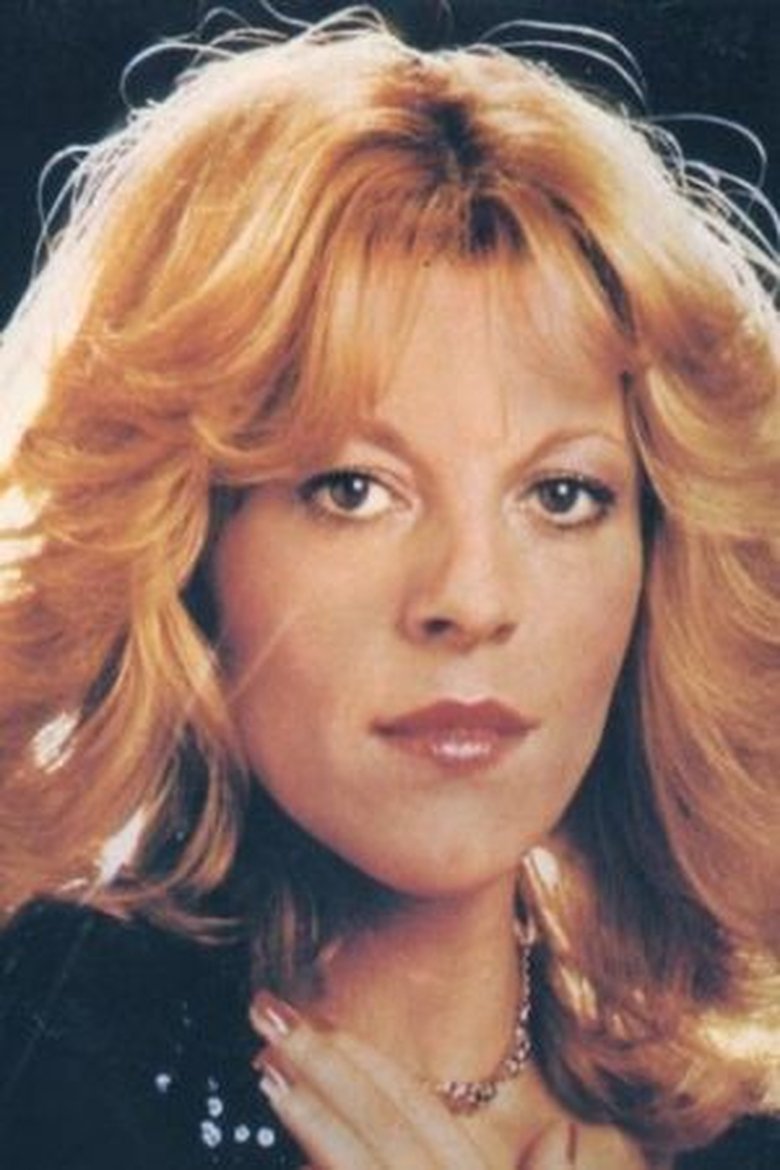
Nicoletta Grisoni, longer name Nicole Fernande Grisoni-Chappuis, better known by her mononym Nicoletta (born 11 April 1944 in Vongy, now merged into Thonon-les-Bains, Haute-Savoie, France) is a French pop singer. Becoming very popular on French radio and television, where she had a number of hits in the 1960s and the 1970s, she was considered part of what is known as the French yé-yé generation heavily influenced by American music, particularly rhythm and blues, rock and roll and Beat music. She is mostly known for her version of "Mamy Blue". Nicoletta Grisoni was reportedly born to a mentally retarded woman who became pregnant as a result of rape. She reportedly chose the song "Mamy Blue" as a tribute to her mother. The original of the song was from the Spanish band Los Pop-Tops and had been the subject of many interpretations. She began her music as a member of her local church choir. She worked for a while in a laundry and at a medical clinic in addition to DJ-ing in the beginning 1960s developing contacts. Encouraged by French songwriter Léo Missir, she was signed to Barclay. Her initial hits included "L'Homme à la moto" (an earlier Edith Piaf song), "Pour oublier qu'on s'est aimé" (from Nino Ferrer, and "Encore un jour sans toi" (co-written by Guy Marchand and Léo Missir). 1967 saw the release of "La Musique" (adaptation from Ann Grégory), and "Il est mort le soleil", written by Pierre Delanoë and music by Hubert Giraud. The song was adapted and interpreted later on by Ray Charles under the title "The Sun Died", also covered by Tom Jones. As activist, she campaigned against play-back music, insisting she sing live in her appearances on television. She also supported the French general strike in May 1968, singing in its support. In 1971, she recorded a French version of "Mamy Blue", a gospel song composed by Hubert Giraud with massive success. It was a hit in many countries outside France as well. In 1973, she founded her own record label, "Rapa Nui", for producing and launching new talents. The same year she released "Fio Maravilla", another big hit for her. The origin was a Brazilian hit from Jorge Ben Jor about soccer player Fio Maravilha, adapted to French by lyricist Boris Bergman. In 1976, her French version of The Battle Hymn of the Republic, titled "Glory Alleluia" with new French lyrics and arrangement by André Pascal, became a Christmas hit. After a hiatus because of her marriage and bearing a child, she returned to music in 1983 with "Idées noires", as a duo with Bernard Lavilliers. In 1987, she took part in the opera Grandeur et décadence de la ville de Mahagonny (a French version of Rise and Fall of the City of Mahagonny by Kurt Weill and Bertolt Brecht), playing the role of Jenny in the opera. The same year, she also took role of Esméralda in the musical comedy Quasimodo based on Victor Hugo's The Hunchback of Notre-Dame composed by William Sheller. In the beginning of the 1990s, she suffered great financial problems despite releasing quality interpretations with collaborations from William Sheller, Richard Cocciante, Pierre Delanoë and taking part in galas. ... Source: Article "Nicoletta (singer)" from Wikipedia in English, licensed under CC-BY-SA.