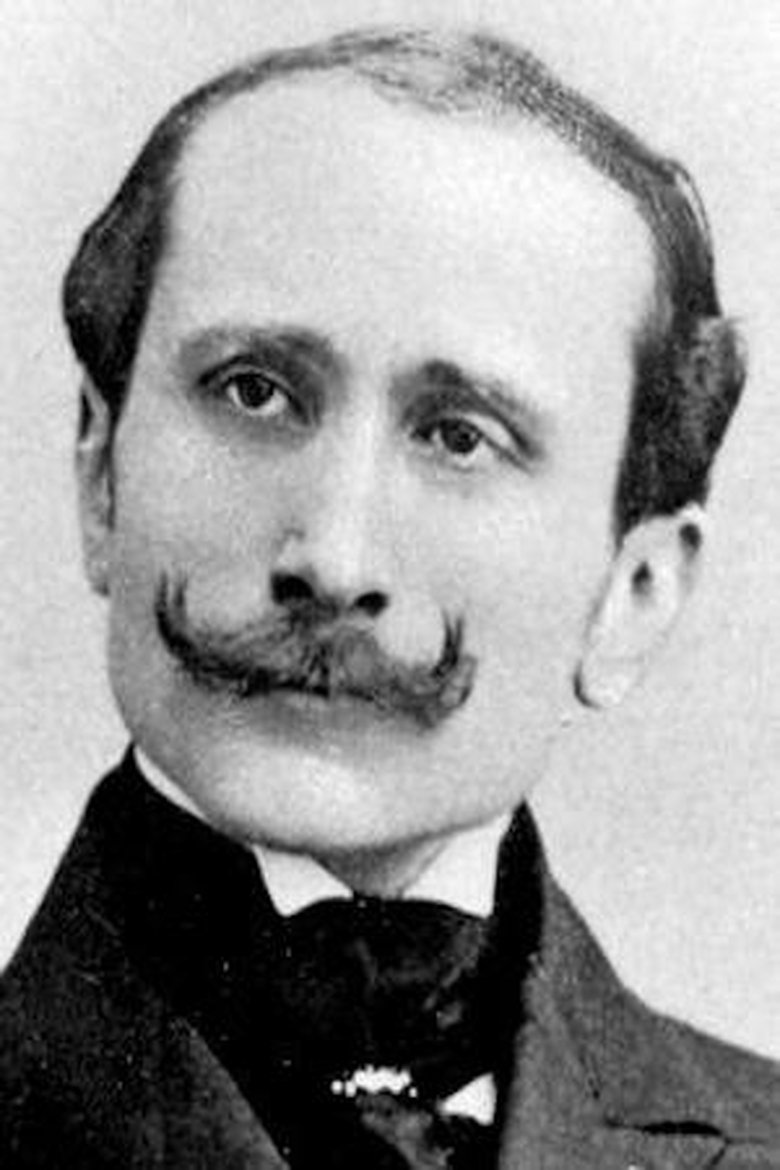
Edmond Rostand
Birthday: April 01, 1868
Death: December 02, 1918
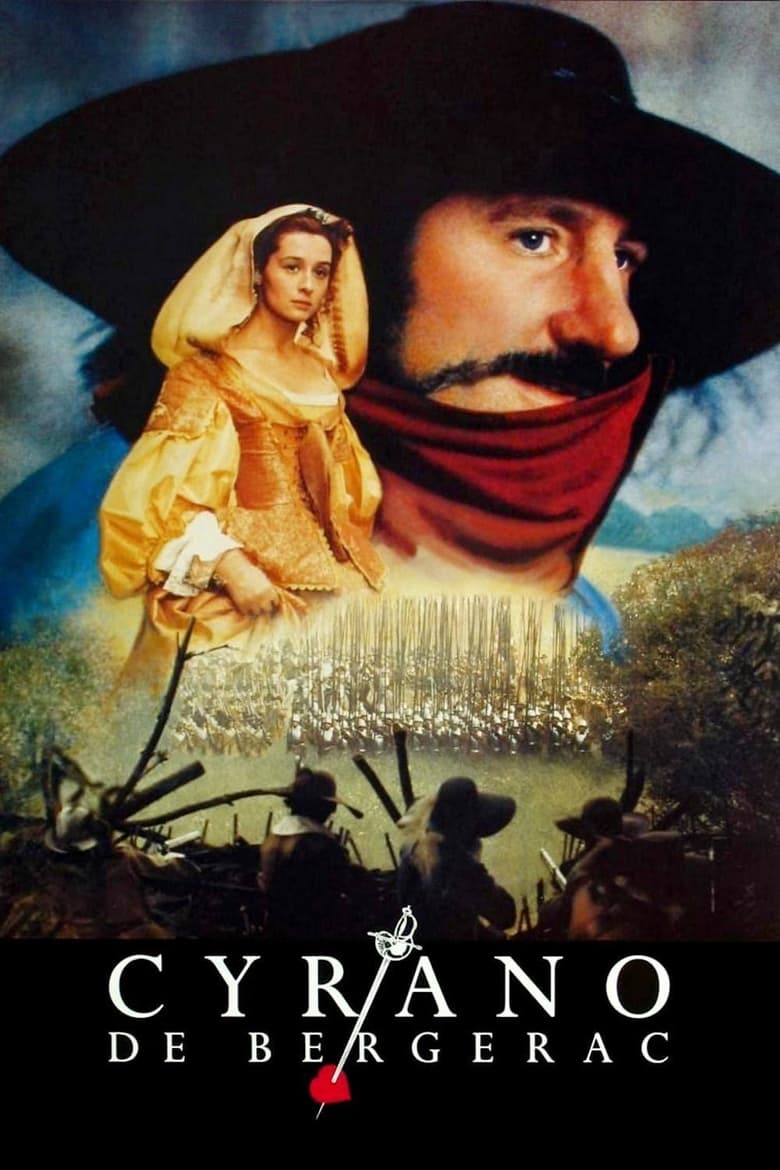
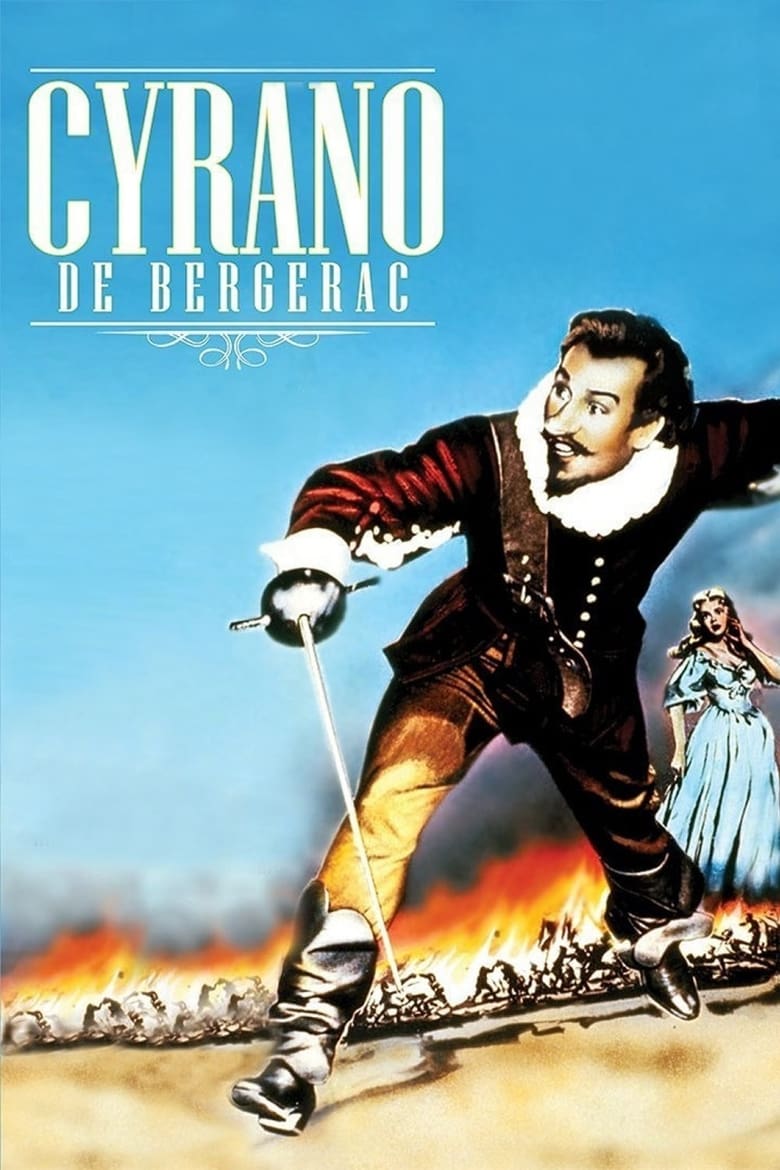
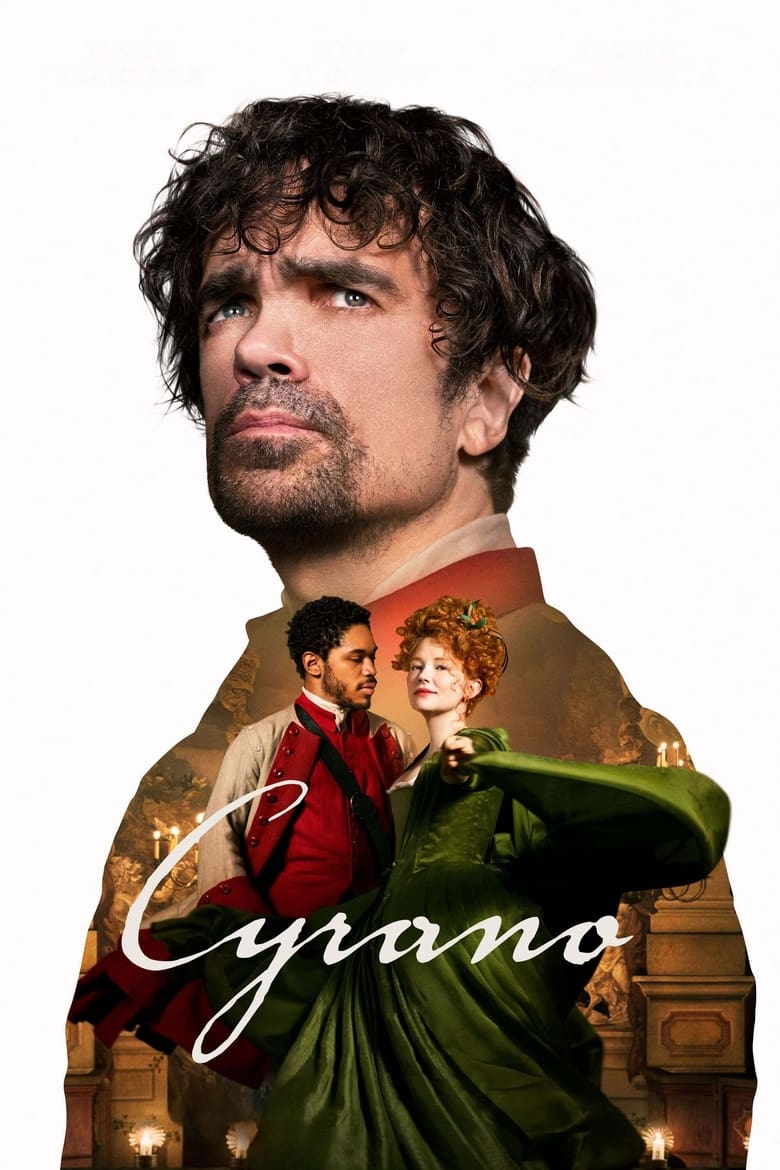
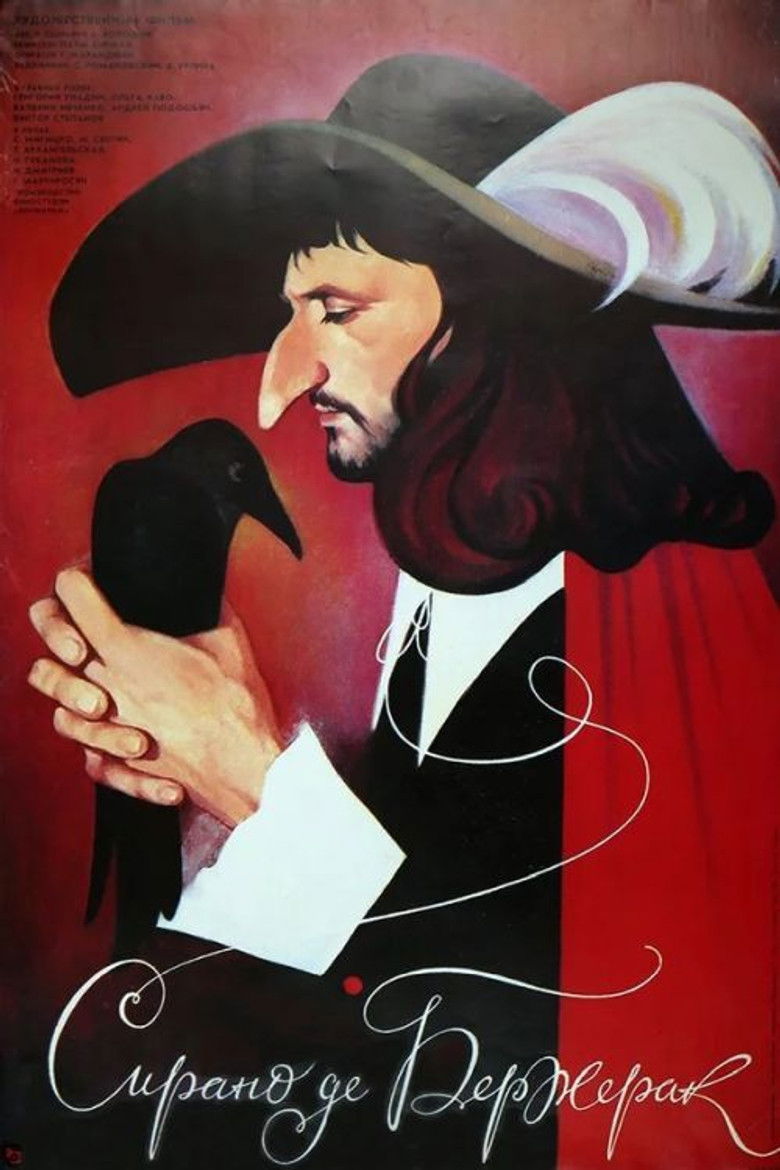
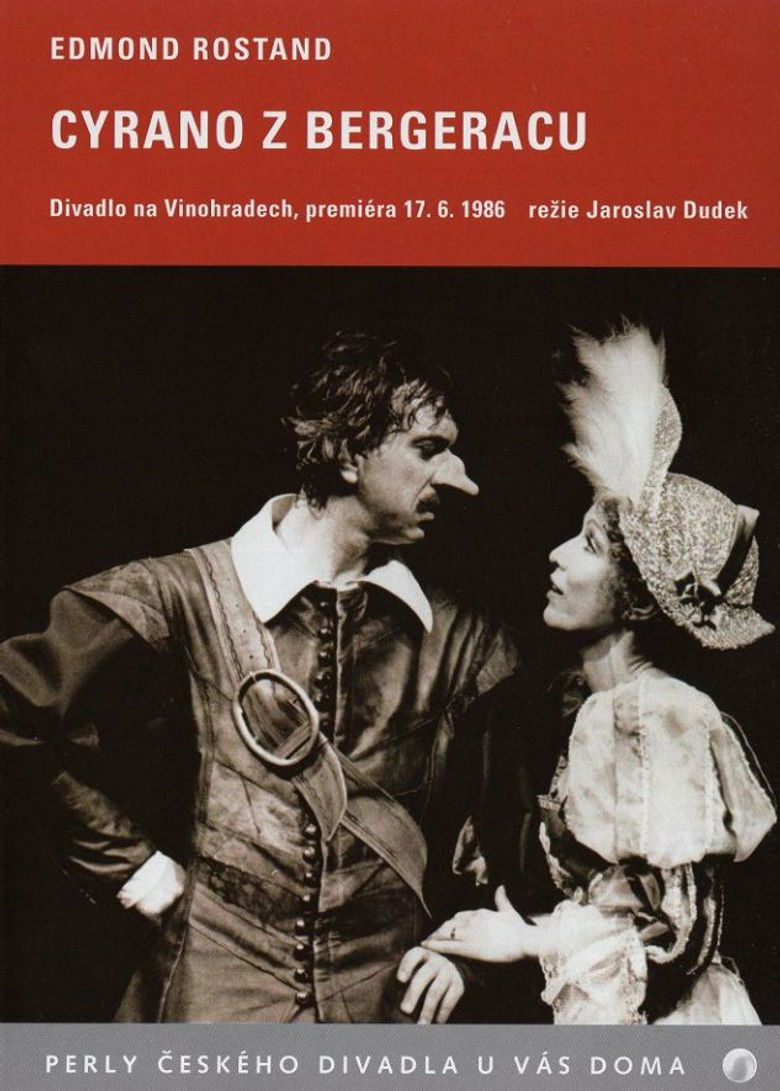
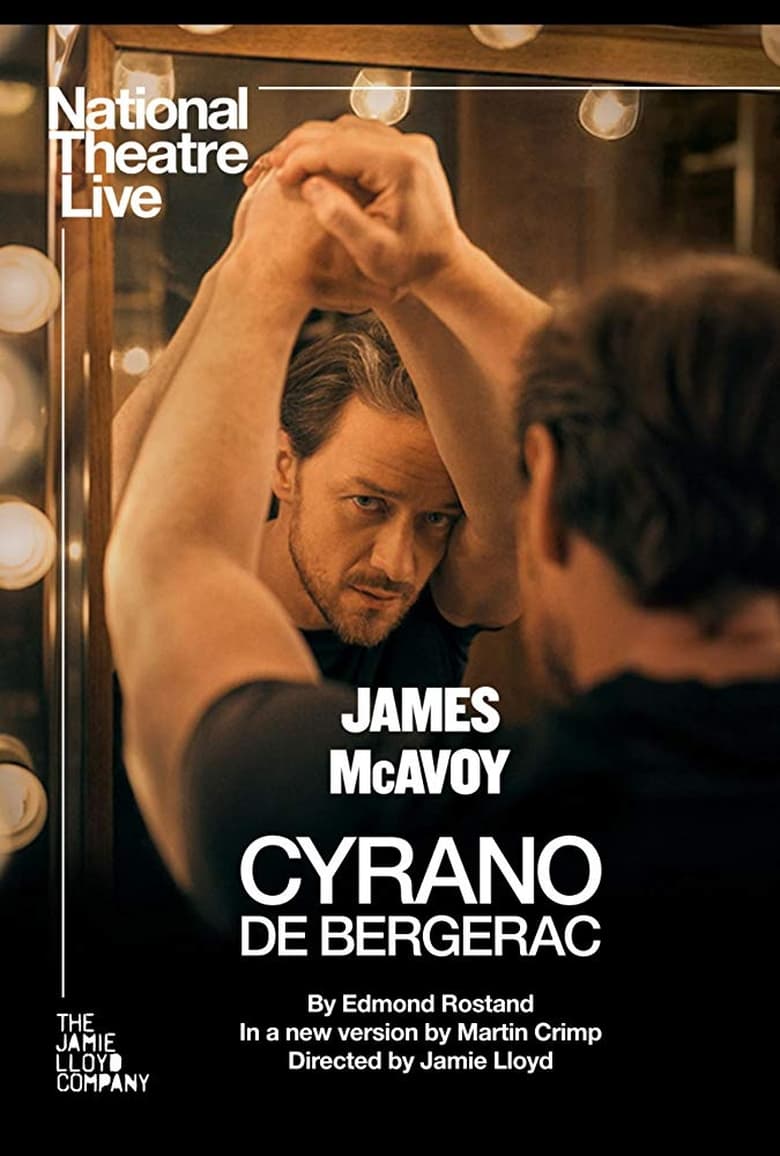
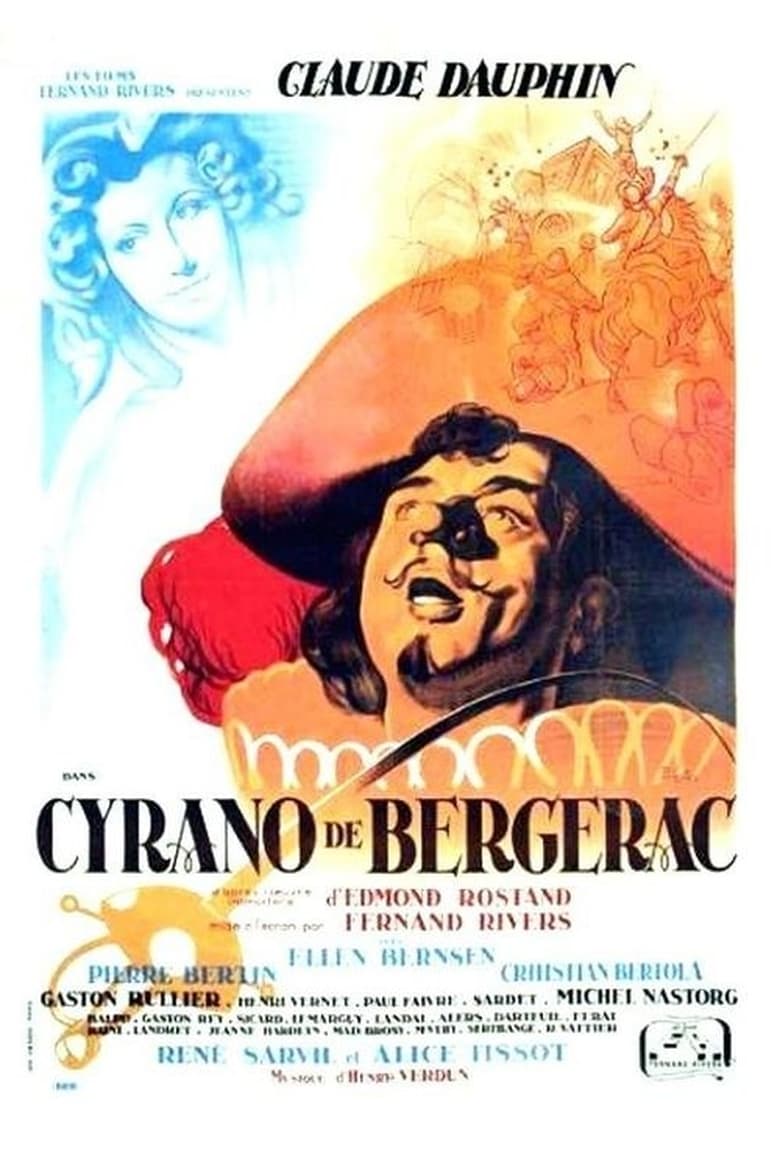
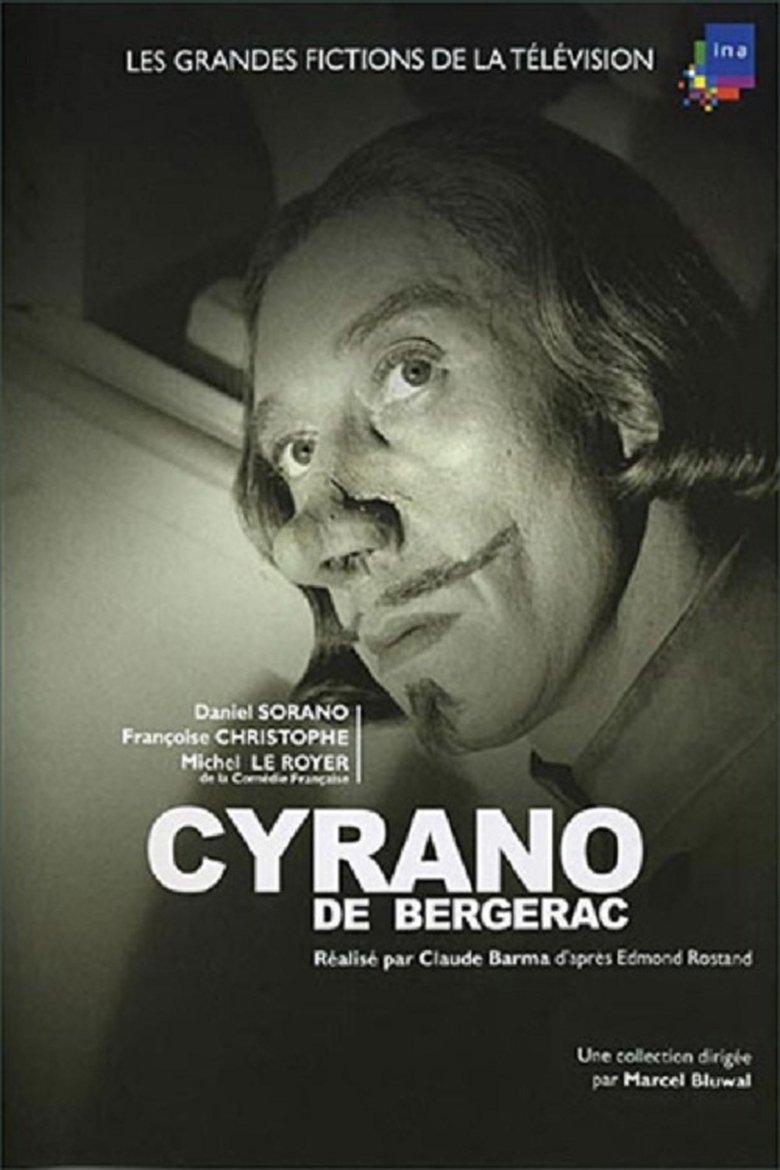
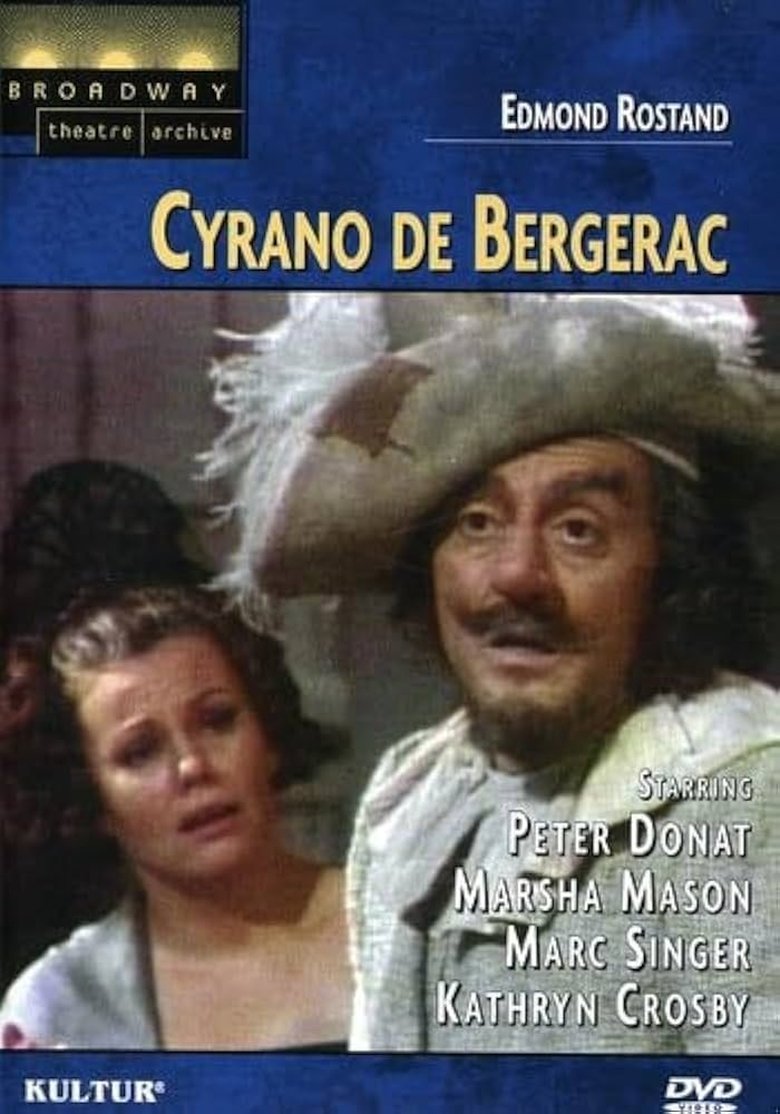
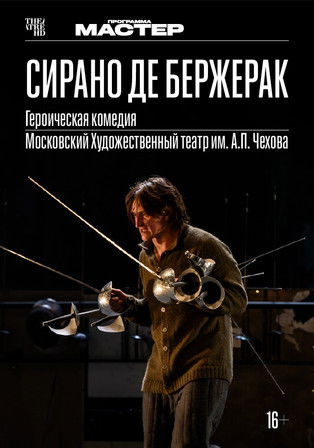
Edmond Eugène Alexis Rostand (1 April 1868 – 2 December 1918) was a French poet and dramatist. He is associated with neo-romanticism and is known best for his 1897 play Cyrano de Bergerac. Rostand's romantic plays contrasted with the naturalistic theatre popular during the late nineteenth century. Another of Rostand's works, Les Romanesques (1894), was adapted to the 1960 musical comedy The Fantasticks. Rostand was born in Marseille, France, into a wealthy and cultured Provençal family. His father was an economist, a poet who translated and edited the works of Catullus, and a member of the Marseille Academy and the Institut de France. Rostand studied literature, history, and philosophy at the Collège Stanislas in Paris, France. When Rostand was twenty years old, his first play, a one-act comedy, Le Gant rouge, was performed at the Cluny Theatre, 24 August 1888, but it was almost unnoticed. He and his fiancé Rosemonde Gérard became friends with Emmanuel Chabrier in 1889, and the composer quickly set three of his poems (and two of hers) to music; the following year the two collaborated on À la musique for the house-warming of a mutual friend. In 1890, Rostand published a volume of poems called Les Musardises. The same year he offered a one-act Pierrot play in verse to the director of the Théâtre François. This gave him the opportunity to write for the state theatre a three-act play, also in verse, as are all Rostand's plays. He considered himself a poet, whether writing plays or poetry. The resulting play, Les Romanesques, was produced at the Théâtre François on 21 May 1894. It was a great success and was the start of his career as a dramatist. This play would be adapted in 1960 by Tom Jones and Harvey Schmidt into the long-running American musical The Fantasticks. Rostand's next play was written for Sarah Bernhardt. La Princesse Lointaine was based on the story of the 12th-century troubadour Jaufre Rudel and his love for Hodierna of Jerusalem (who is the archetypal princesse lointaine character). This idealistic play opened on 5 April 1895, at the Théâtre de la Renaissance. The part of Melisandre (based on Hodierna's daughter Melisende of Tripoli) was created by Sarah Bernhardt but the play was not particularly successful. When Bernhardt performed it in London later the same year, it received a bad review from George Bernard Shaw but this was not surprising considering Shaw's bias for realism. Rambaldo di Vaqueiras: I Monferrato, 1922 1922 verse drama by Nino Berrini(it) is based on La Princesse Lointaine. Bernhardt, undeterred, asked Rostand to write another play for her. She created the role of Photine in La Samaritaine (Theatre de la Renaissance, 14 April 1897), a Biblical drama in three scenes adapted from the gospel story of the woman of Samaria. This play was more successful and became part of Sarah Bernhardt's repertoire. Rostand felt satisfied that he had proven to the public that he was something more than a writer of comedies. ... Source: Article "Edmond Rostand" from Wikipedia in English, licensed under CC-BY-SA 3.0.