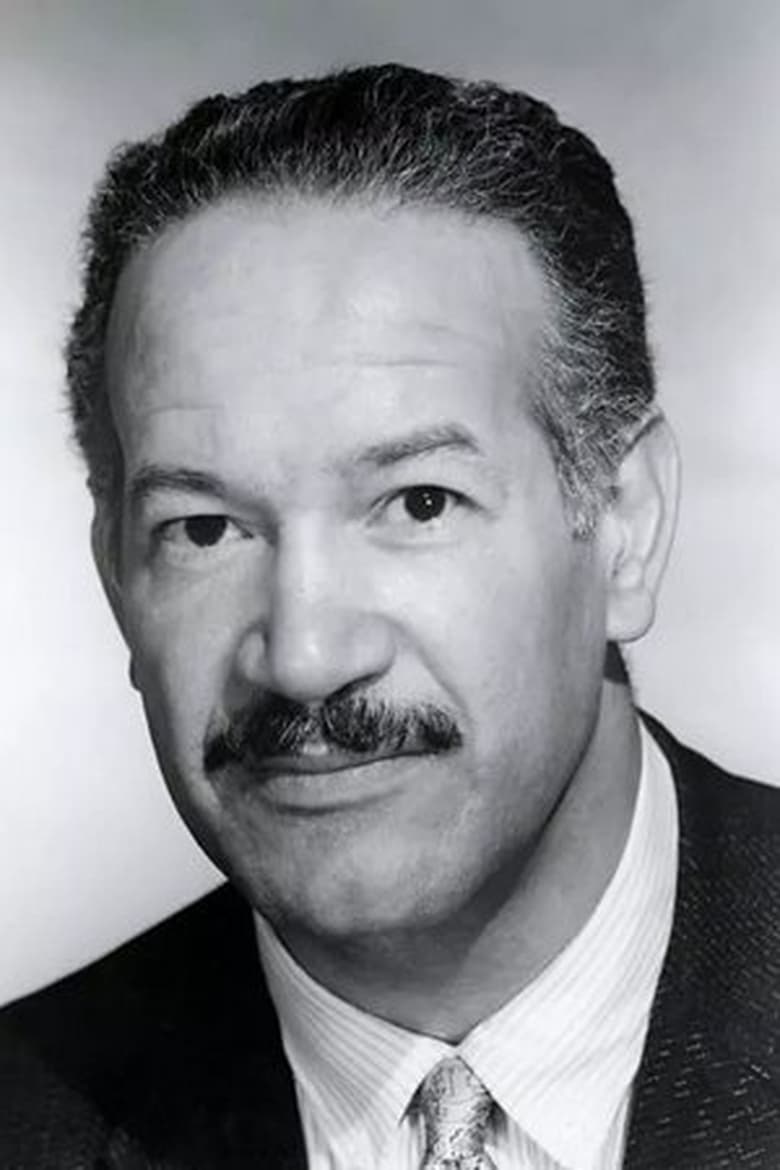
Frank Silvera
Birthday: July 24, 1914
Death: June 11, 1970
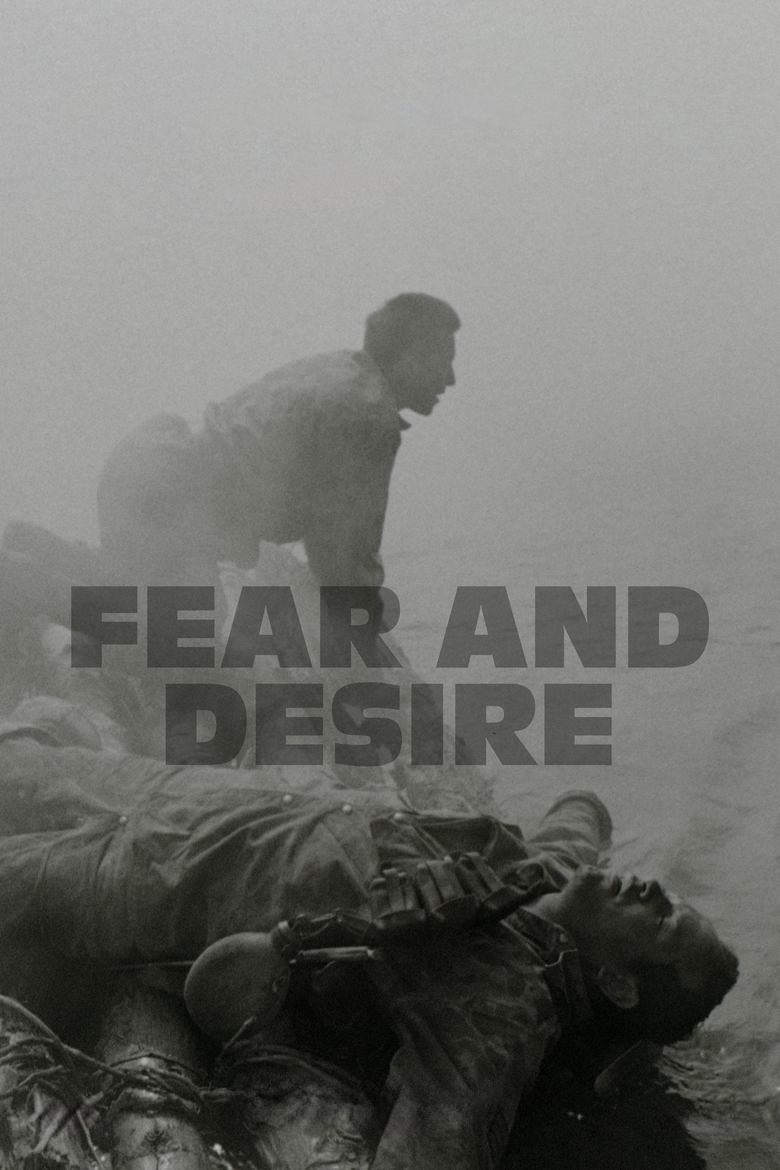
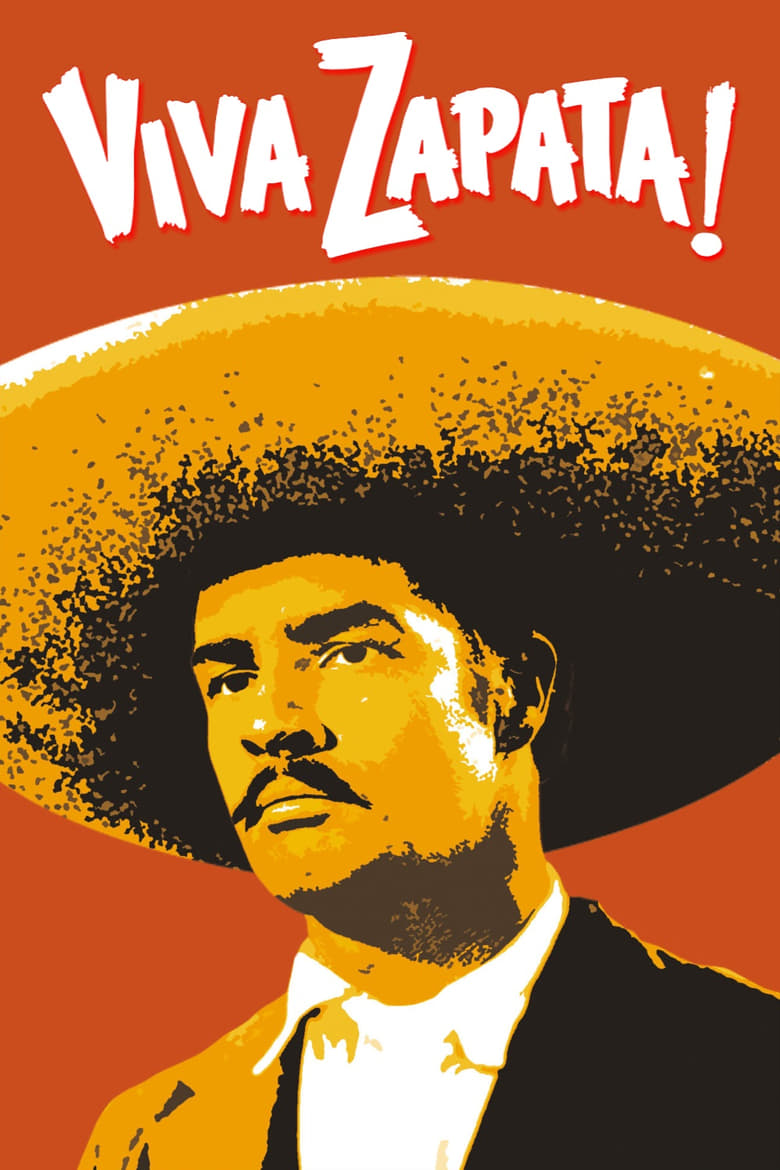
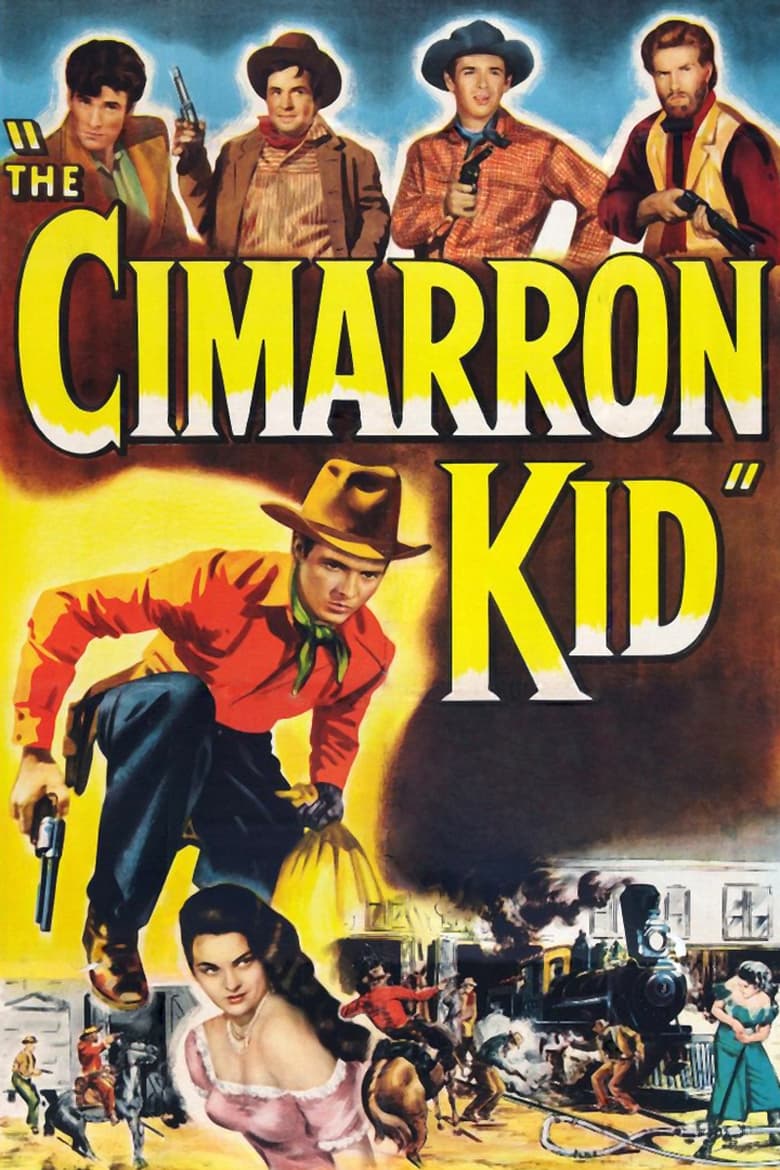
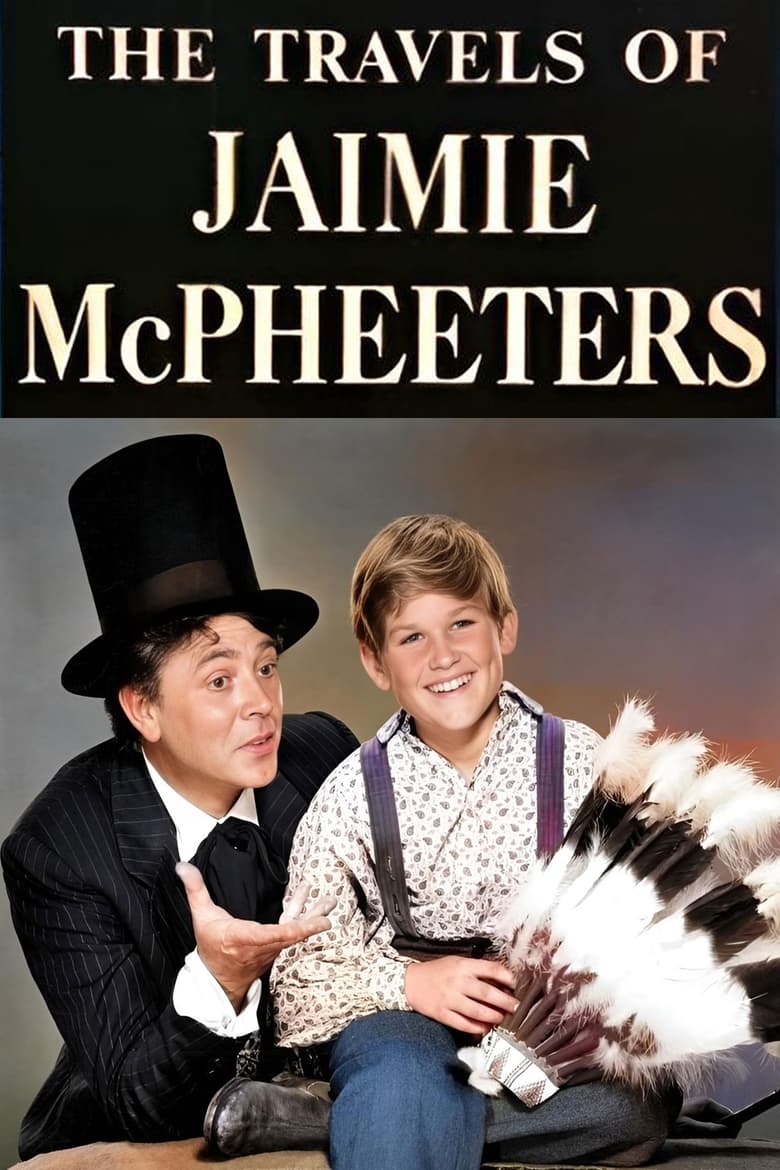
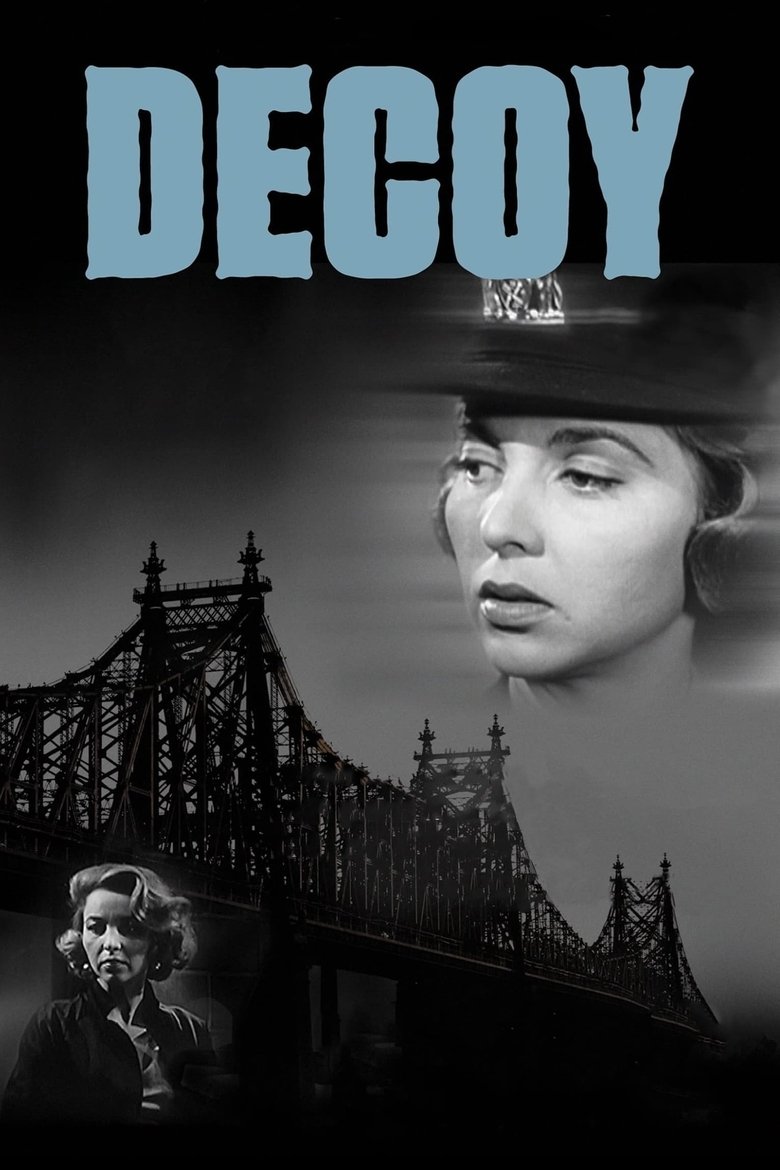
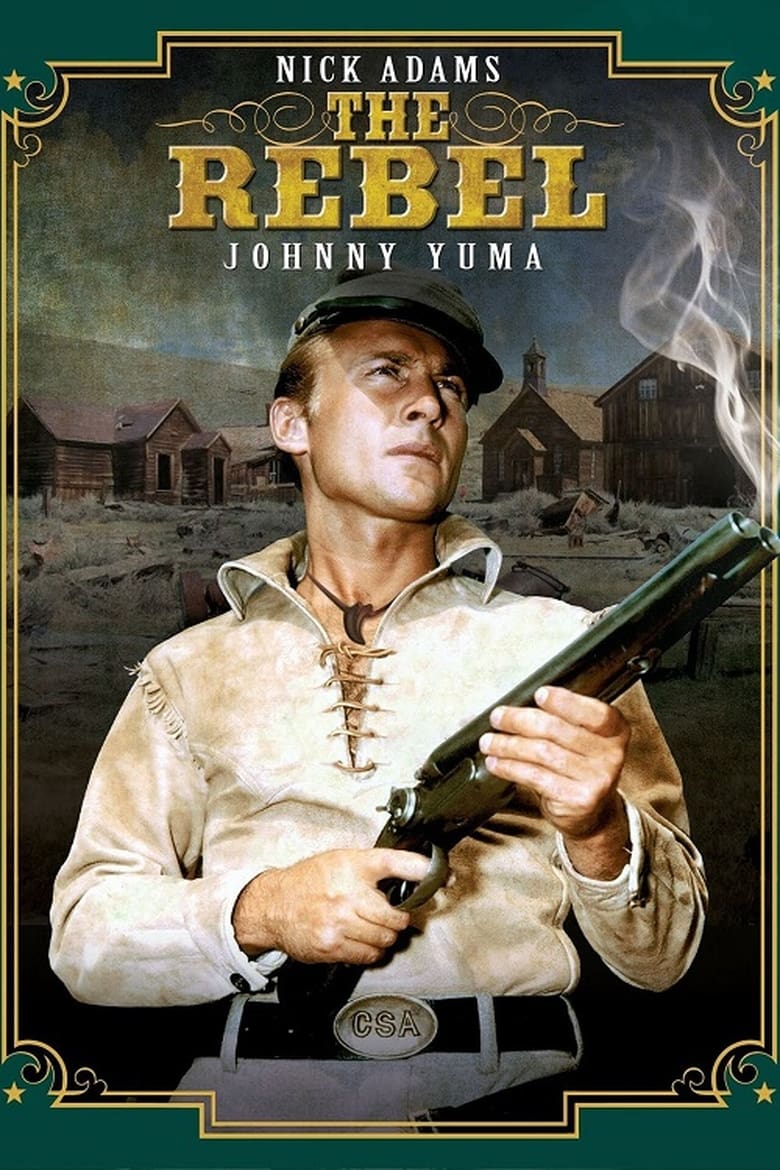
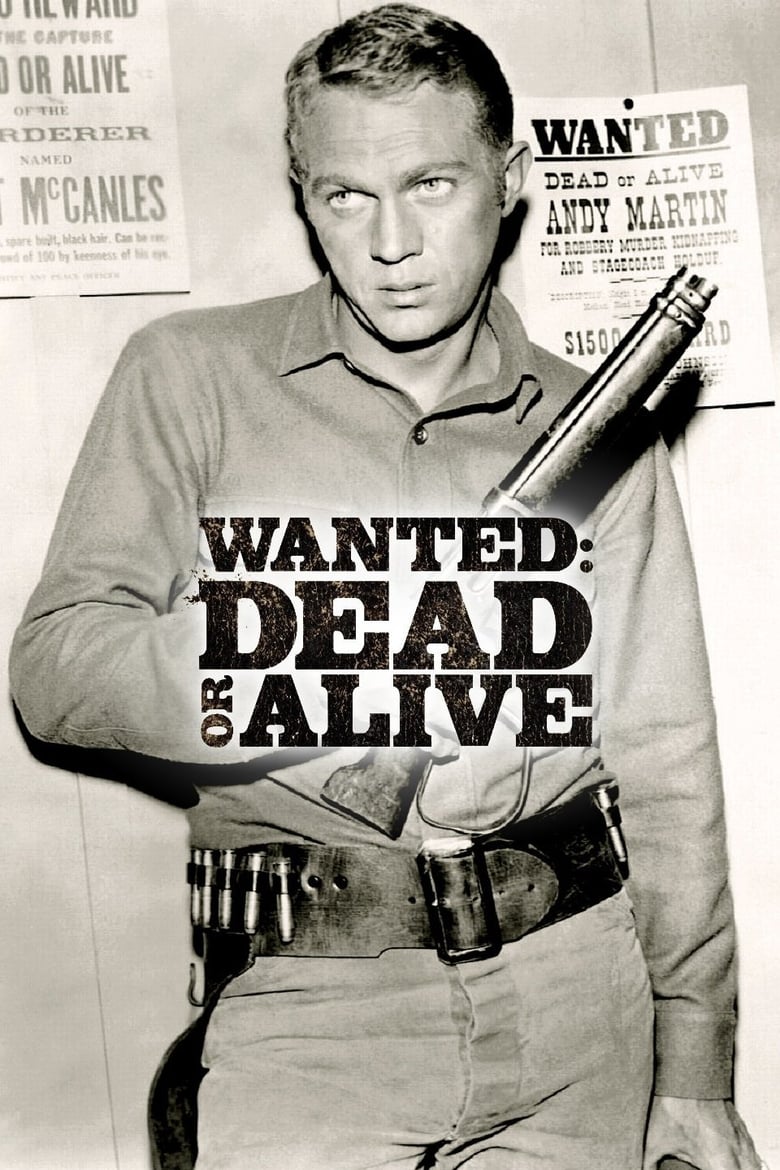
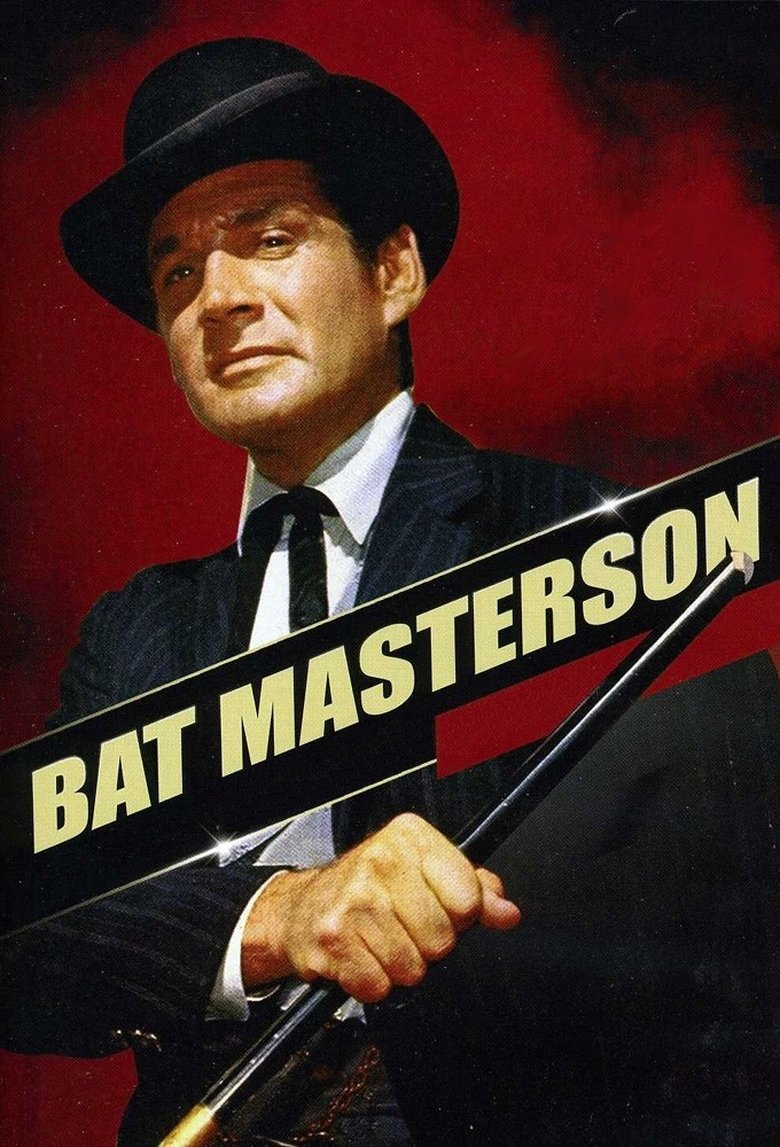
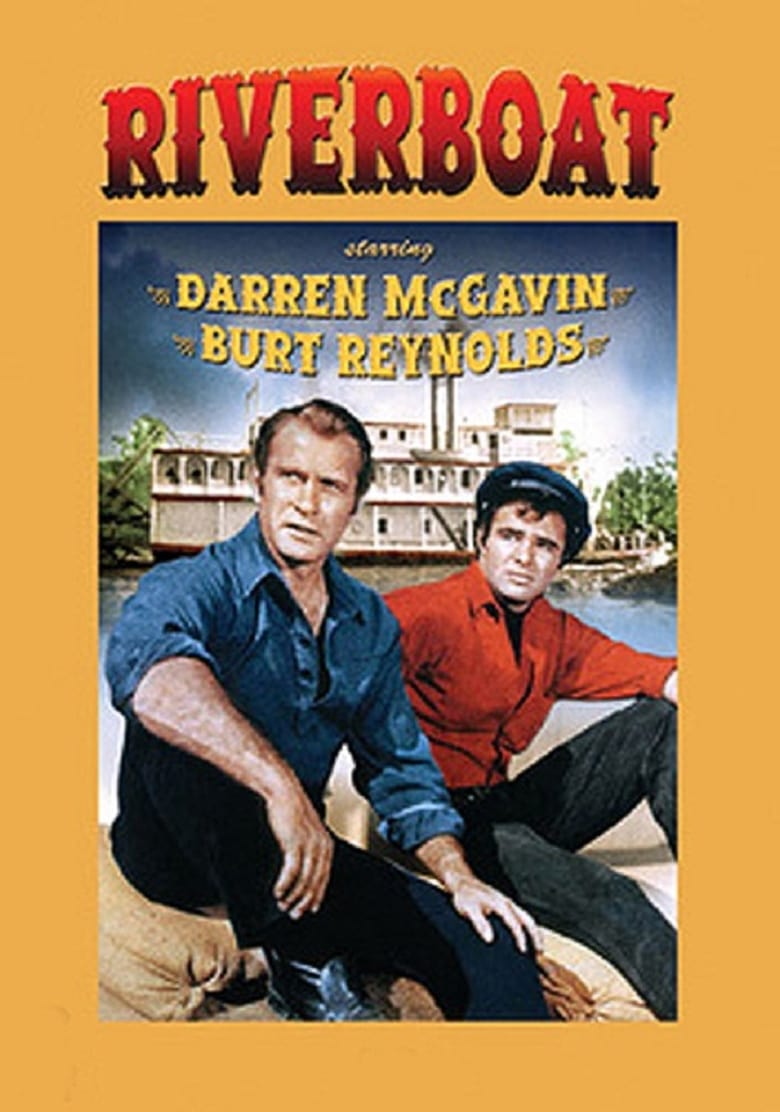
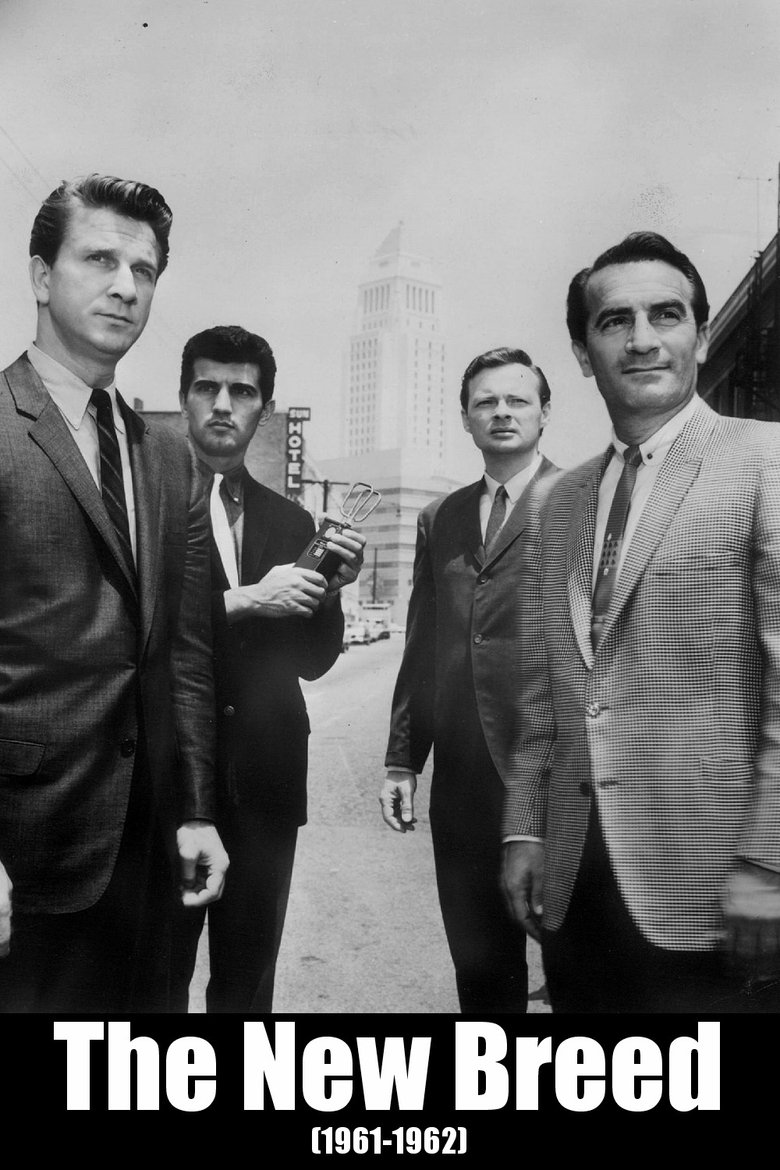
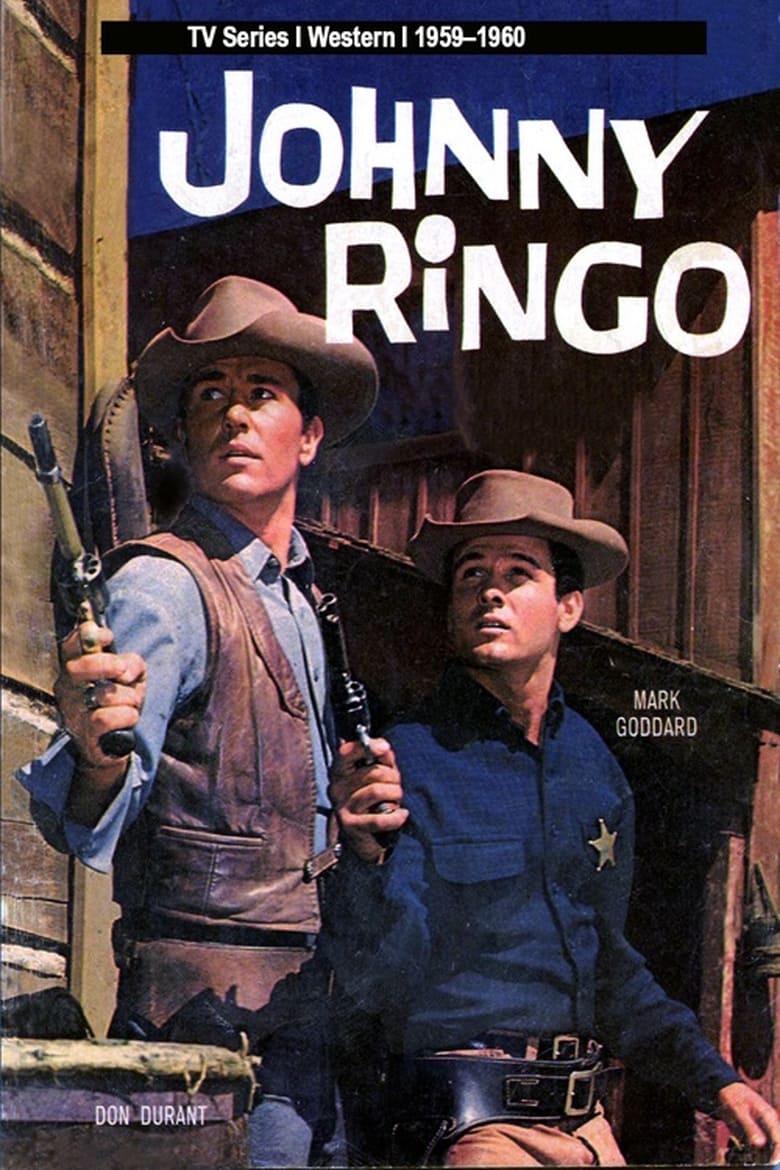
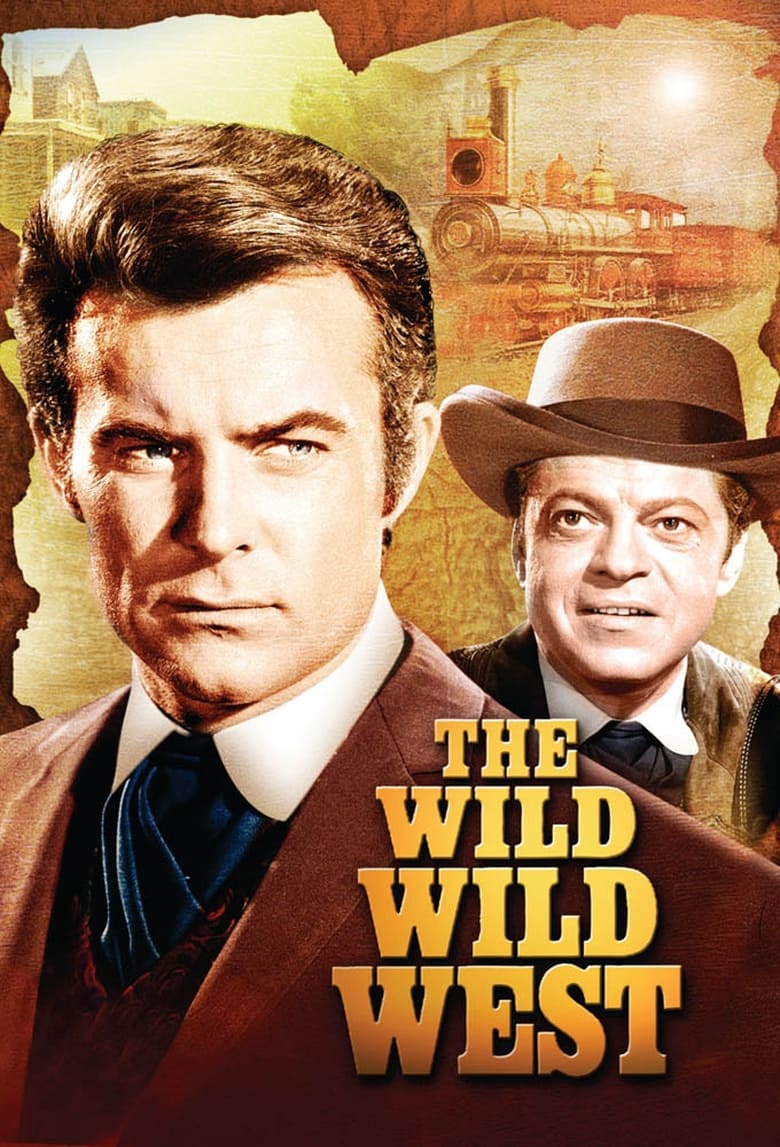
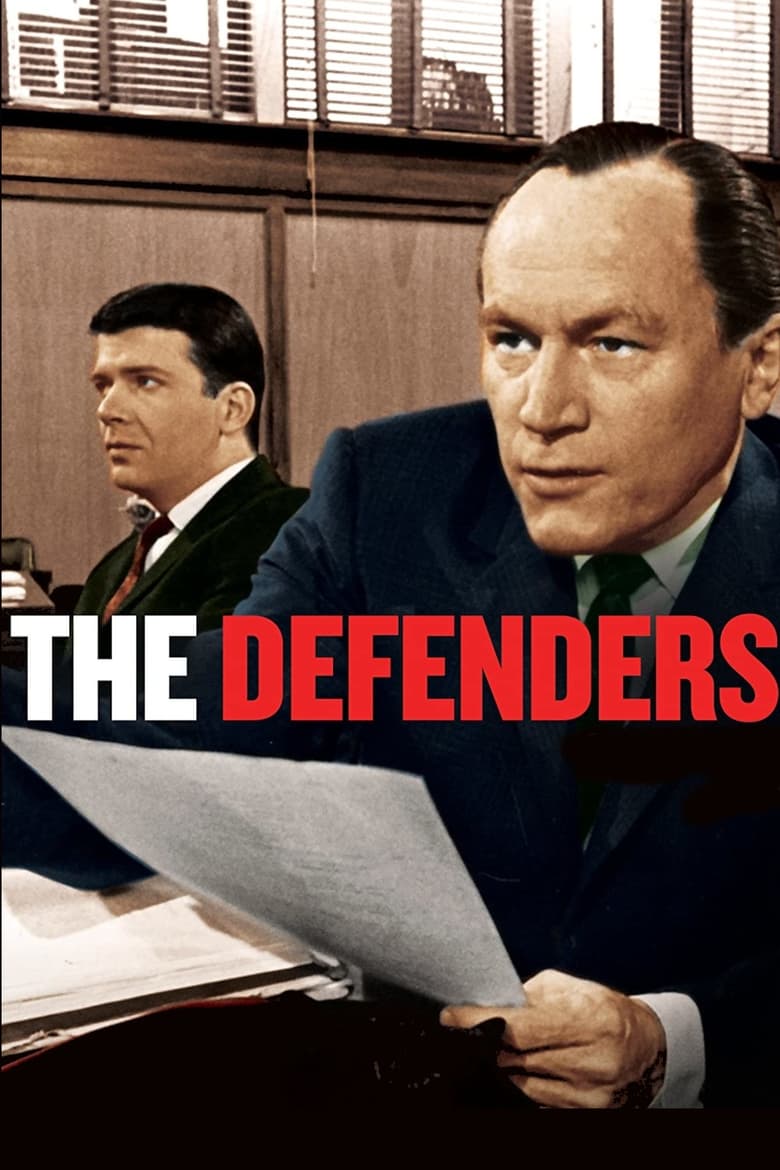
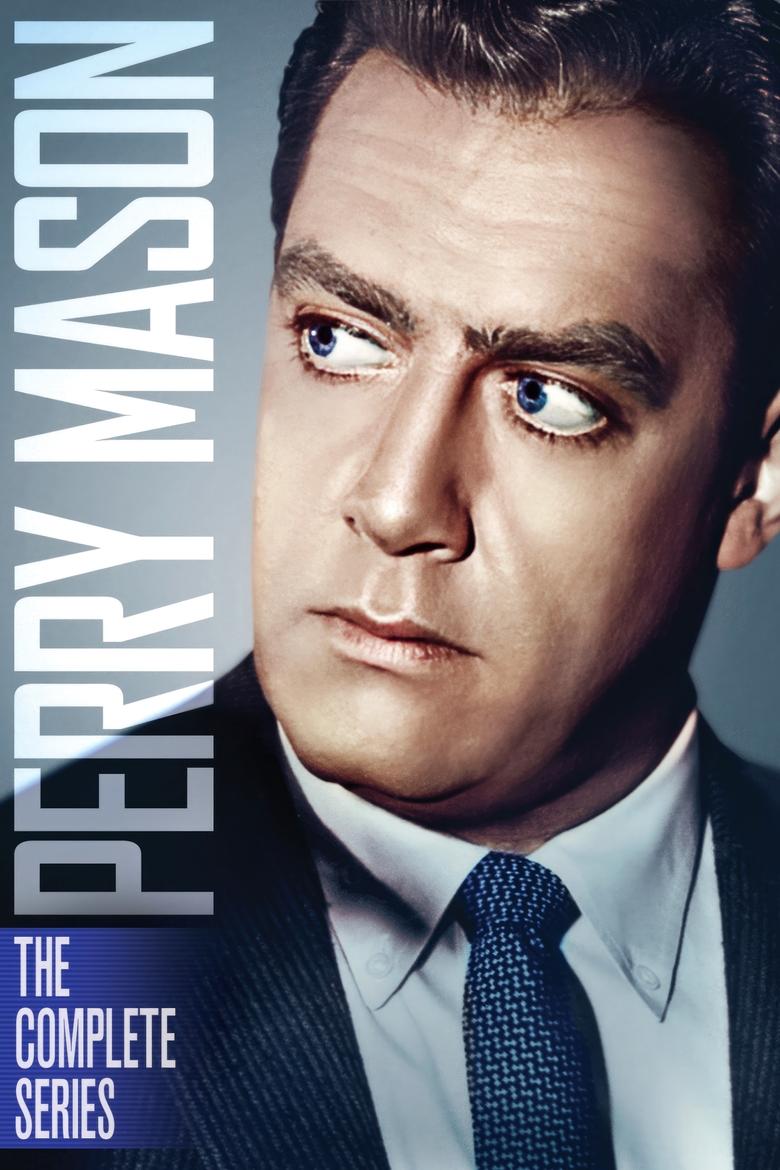
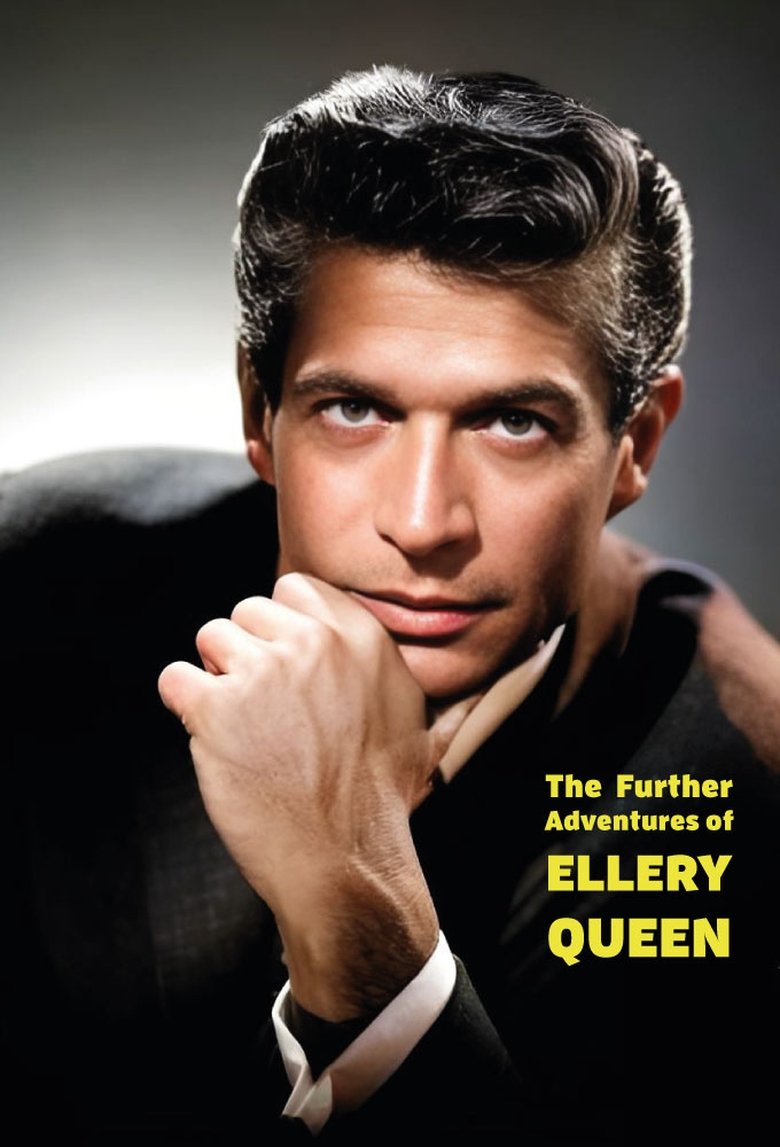
From Wikipedia, the free encyclopedia. Frank Silvera (July 24, 1914 – June 11, 1970) was an American actor and theatrical director. Silvera was born in Kingston, Jamaica the son of a mixed race Jamaican mother, Gertrude Bell and Spanish Jewish father, Alfred Silvera. His family emigrated to the United States when he was six-years old, settling in Boston. Silvera became interested in acting and began performing in amateur theatrical groups and at church. He graduated from English High School of Boston and then studied at Boston University, followed by the Northeastern Law School. Silvera left Northeastern Law School in 1934, when he was cast in Paul Green's production of Roll Sweet Chariot. He next joined the New England Repertory Theatre where he appeared in productions of MacBeth, Othello and The Emperor Jones. He also worked at Federal Theatre and with the New Hampshire Repertory Theatre. In 1940, Silvera made his Broadway debut in a small role in Big White Fog. His career was interrupted in 1942, when he enlisted in the United States Navy during World War II. He was assigned to Camp Robert Smalls, where he and Owen Dodson were in charge of entertainment. Silvera directed and acted in radio programs and appeared in USO shows. Honorably discharged at the war's end in 1945, he joined the cast of Anna Lucasta and became a member of the Actors Studio. In 1952, Silvera made his film debut in the western, The Cimarron Kid. Because of his strongly Latin appearance, he was cast in a variety of ethnic roles in films and television. He was cast as General Huerta in Viva Zapata! which starred Marlon Brando. Silvera also portrayed the role in the stage production, which opened at the Regent Theatre in New York City on February 28, 1952. He appeared in two films directed by Stanley Kubrick, Fear and Desire (1953) and Killer's Kiss (1955). Silvera made guest appearances in numerous television series, mainly dramas and westerns, including Studio One in Hollywood, Alfred Hitchcock Presents, Bat Masterson, Thriller, Riverboat, The Travels of Jaimie McPheeters, The Untouchables, and Bonanza. In 1962 he portrayed Dr. Koslenko in The Twilight Zone episode "Person or Persons Unknown", opposite Richard Long. That year, he also played Minarii, a Polynesian man in the 1962 film Mutiny on the Bounty, again starring Marlon Brando. In 1963, Silvera was nominated for a Tony Award for Best Actor in a Play for playing Monsieur Duval in The Lady of the Camellias. In 1964, Silvera and Vantile Whitfield founded the Theatre of Being, a Los Angeles-based theatre dedicated to providing black actors with non-stereotypical roles. One of their first projects was producing The Amen Corner by African-American writer James Baldwin. Silvera and Whitfield financed the play themselves and with donations from friends. It opened on March 4, 1964 and would gross $200,000 within the year, moving to Broadway in April 1965. Beah Richards won critical acclaim for her performance as the lead. Silvera was killed on June 11, 1970, after accidentally electrocuting himself while repairing a garbage disposal unit in his kitchen sink. Description above from the Wikipedia article Frank Silvera, licensed under CC-BY-SA, full list of contributors on Wikipedia.