André Hunebelle
Birthday: September 01, 1896
Death: November 27, 1985
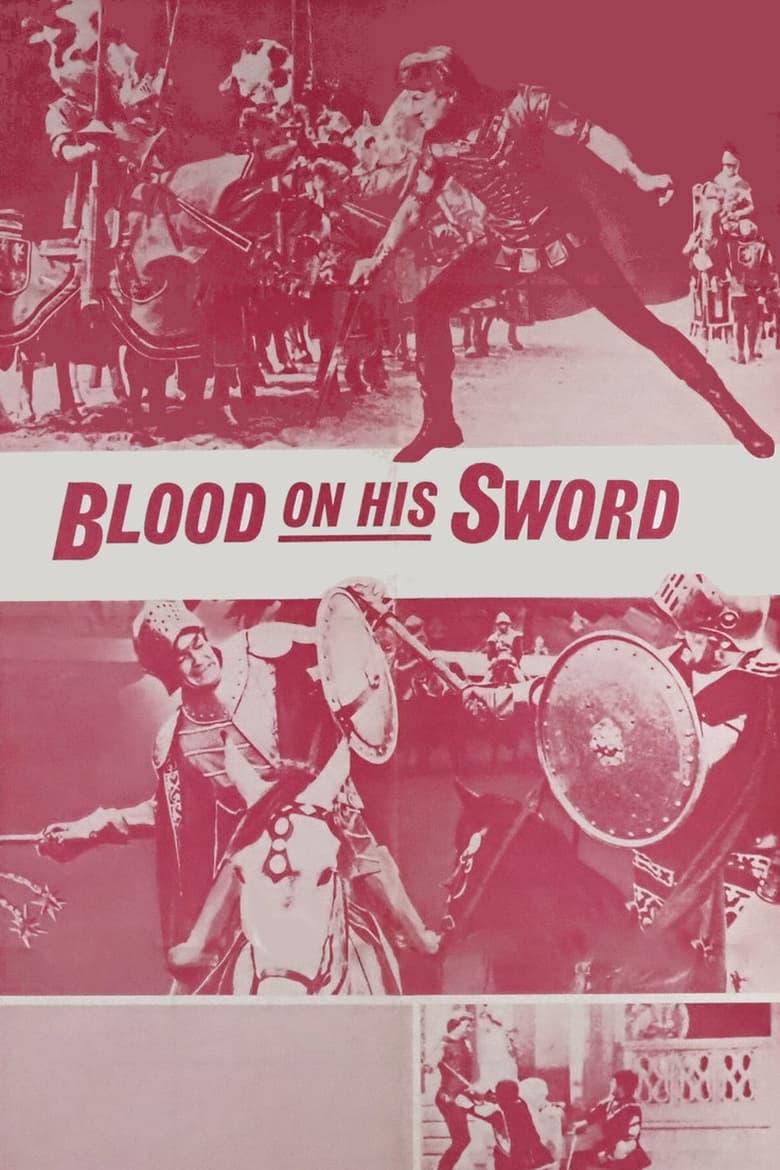
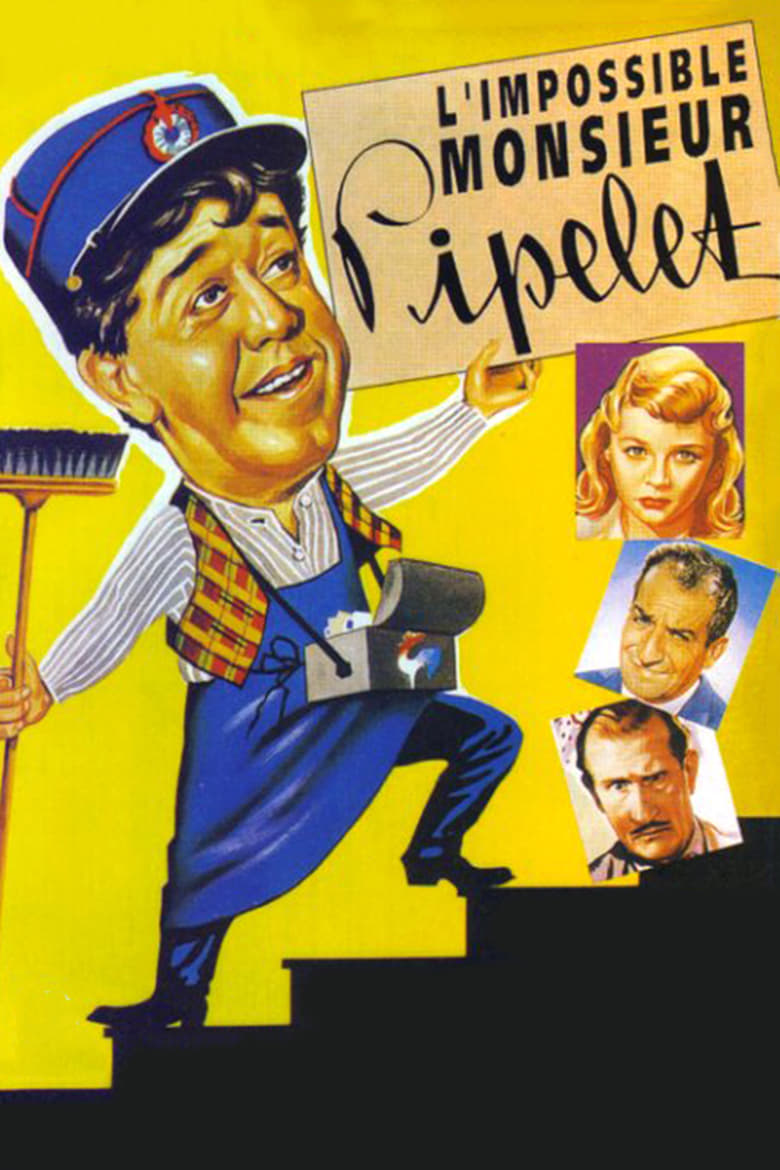
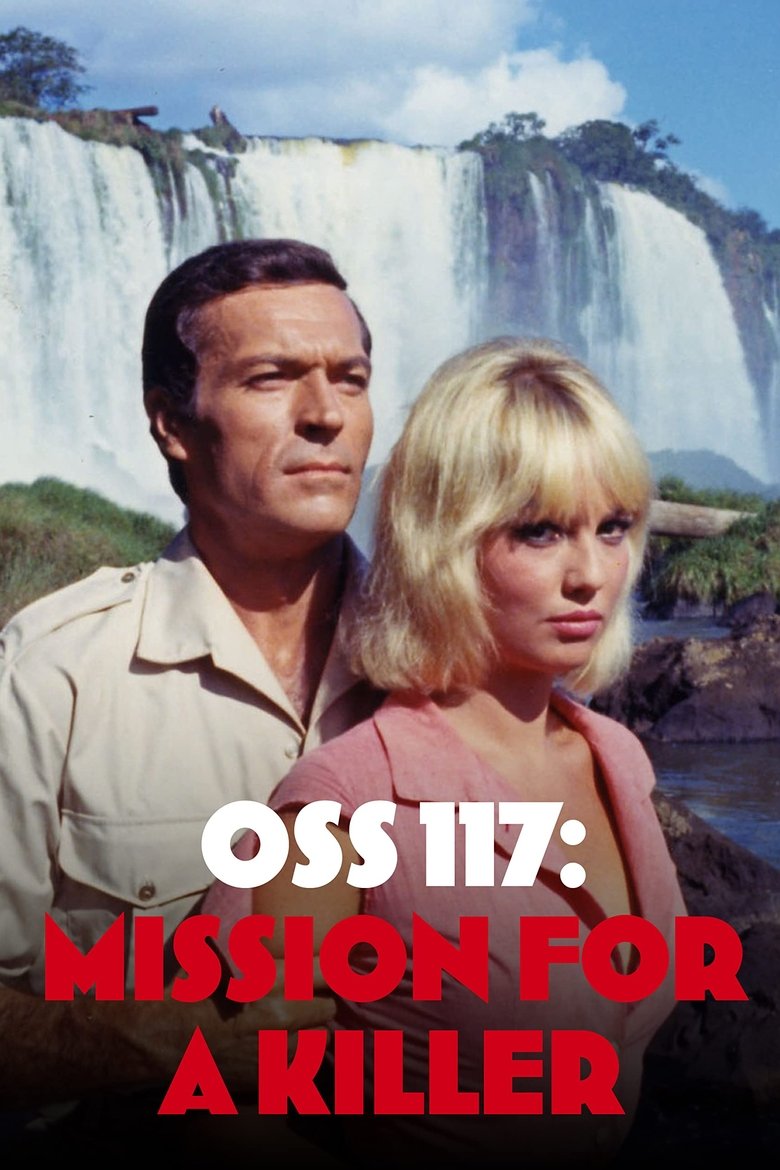
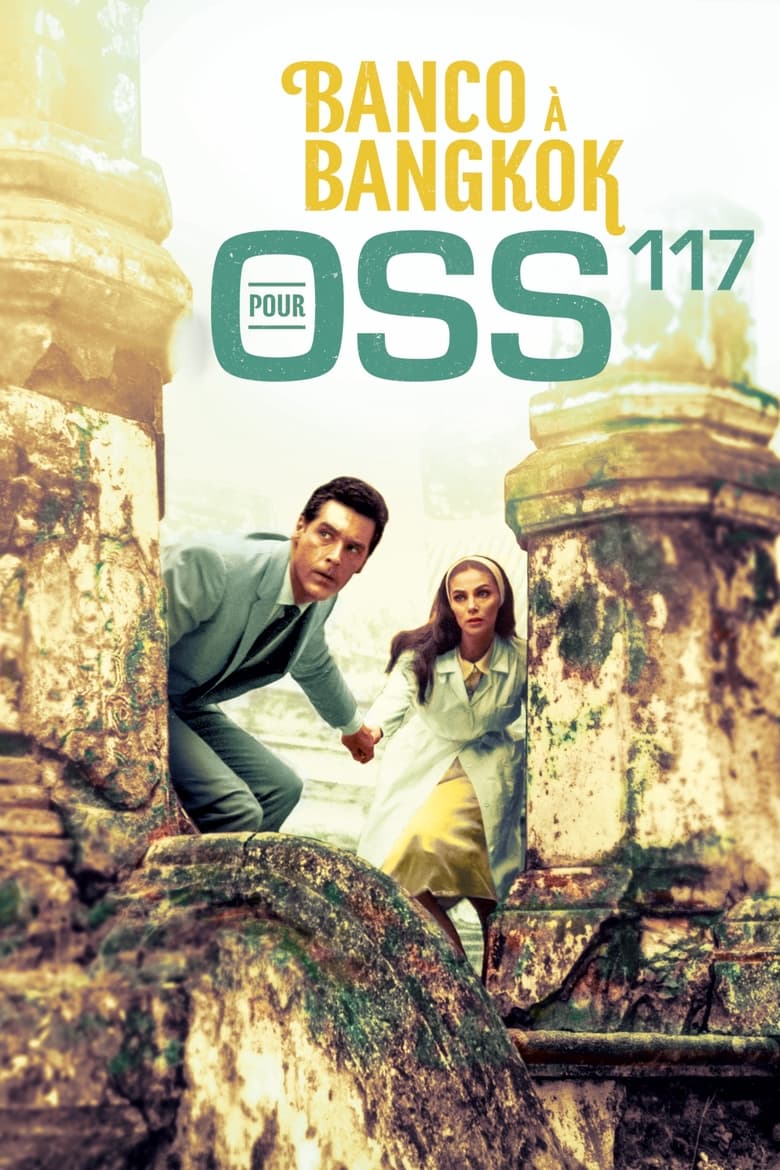
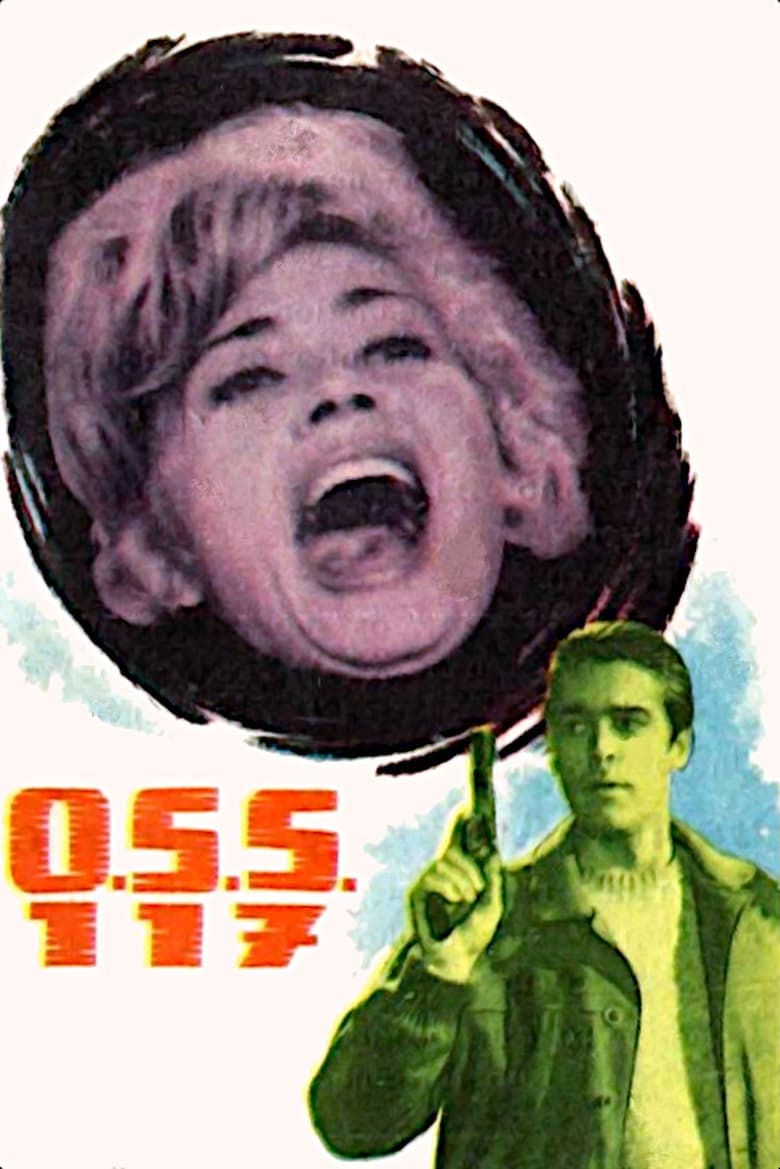
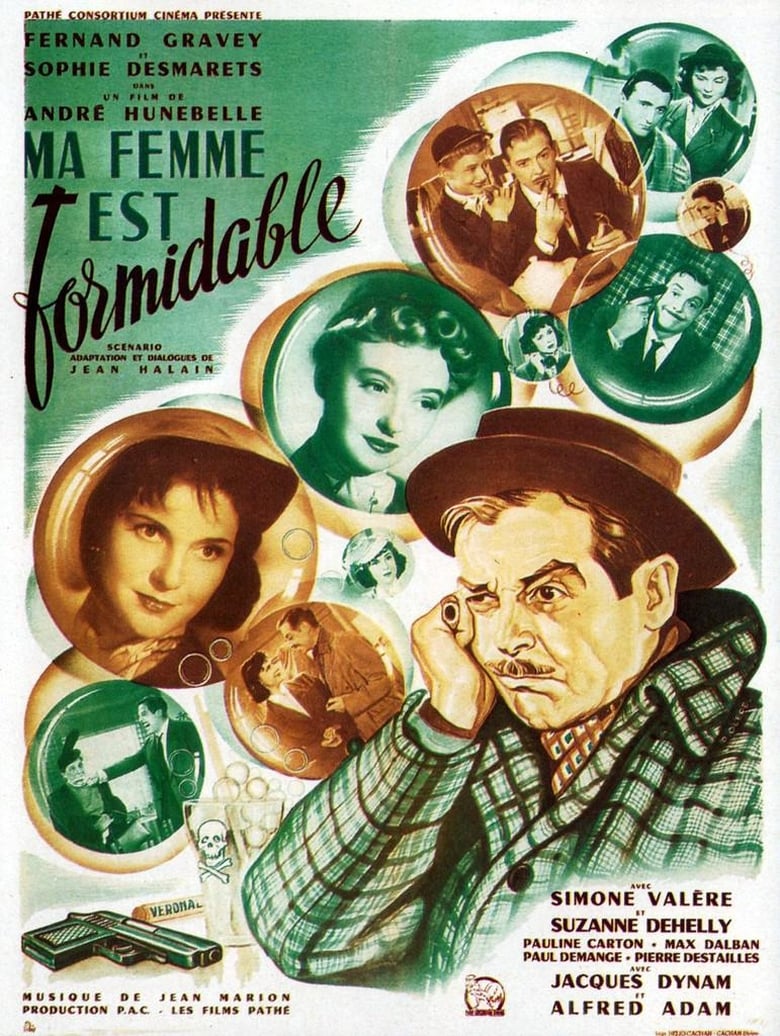
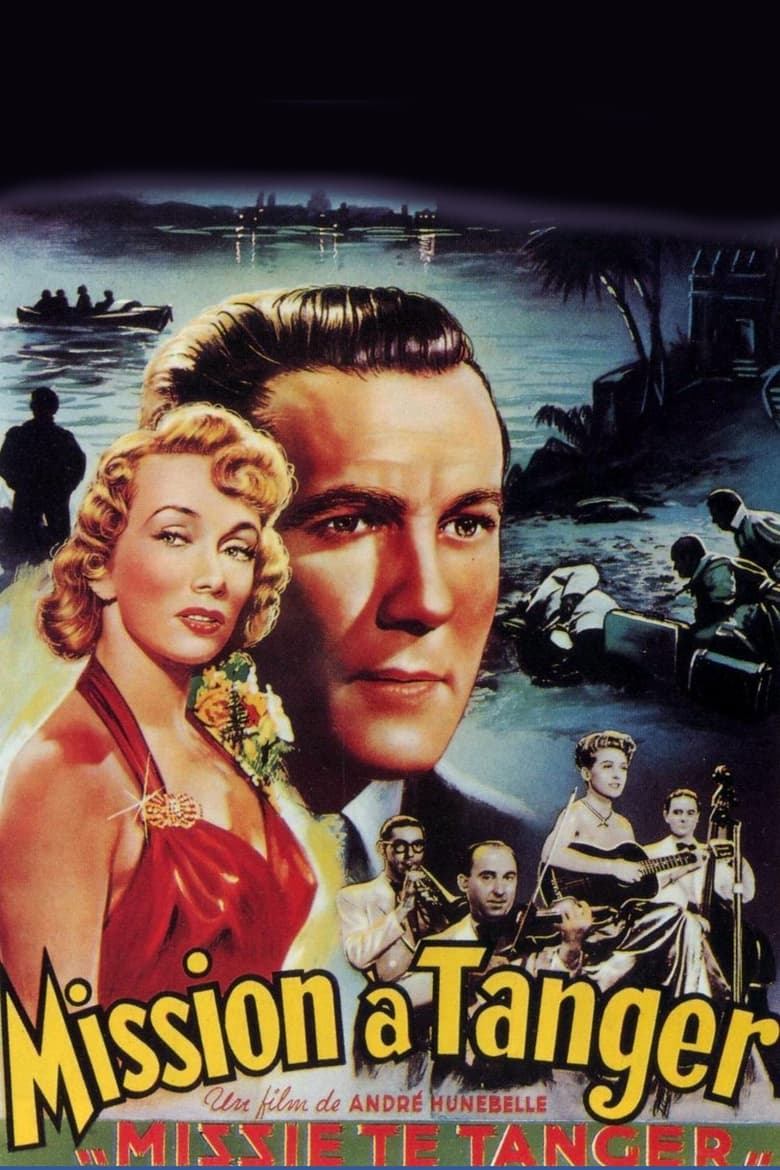
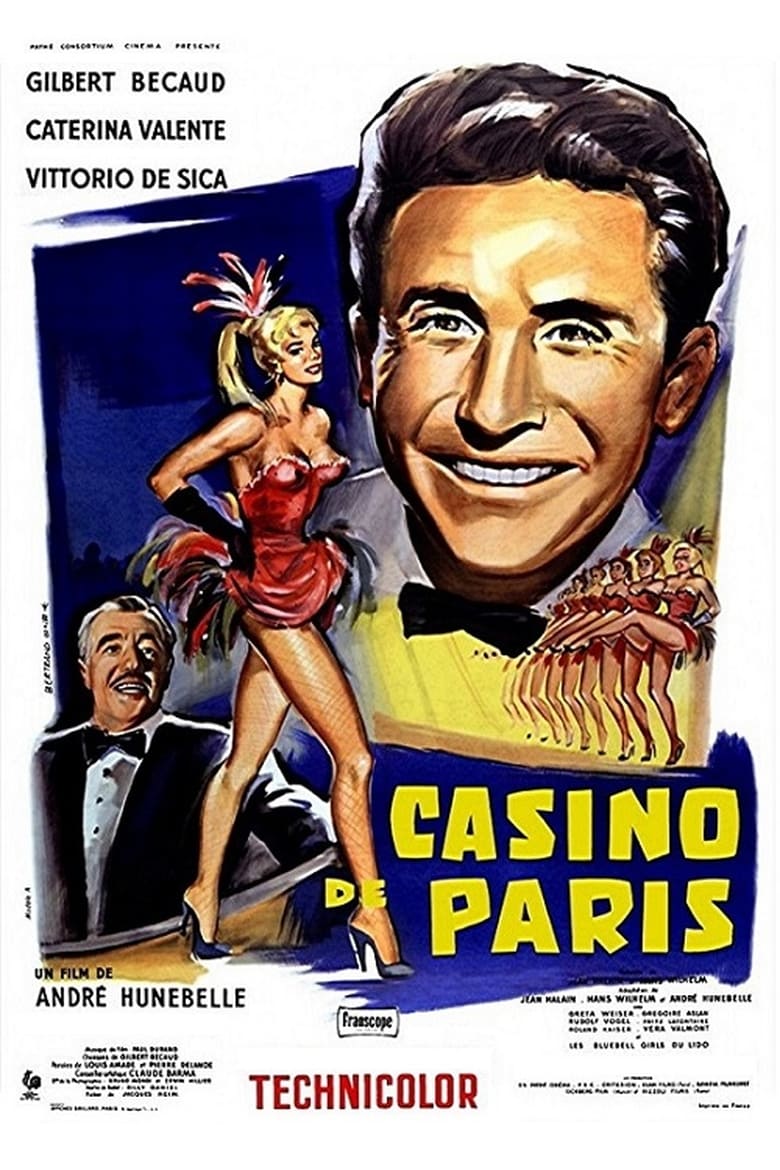
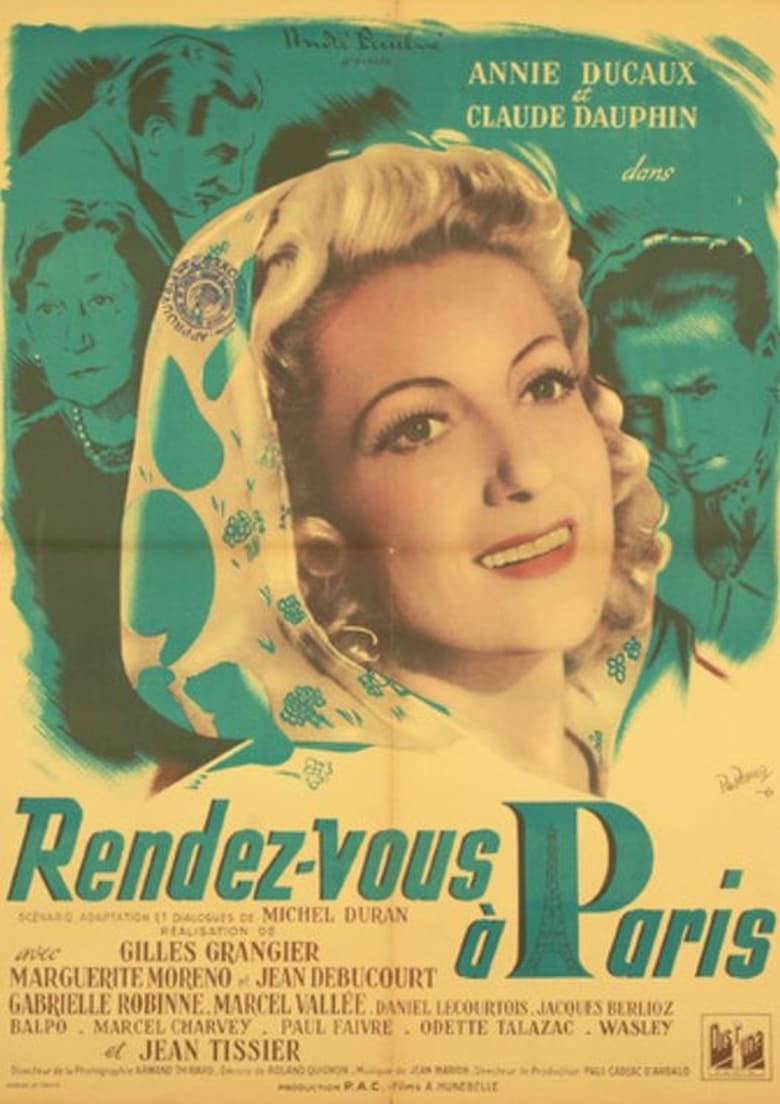
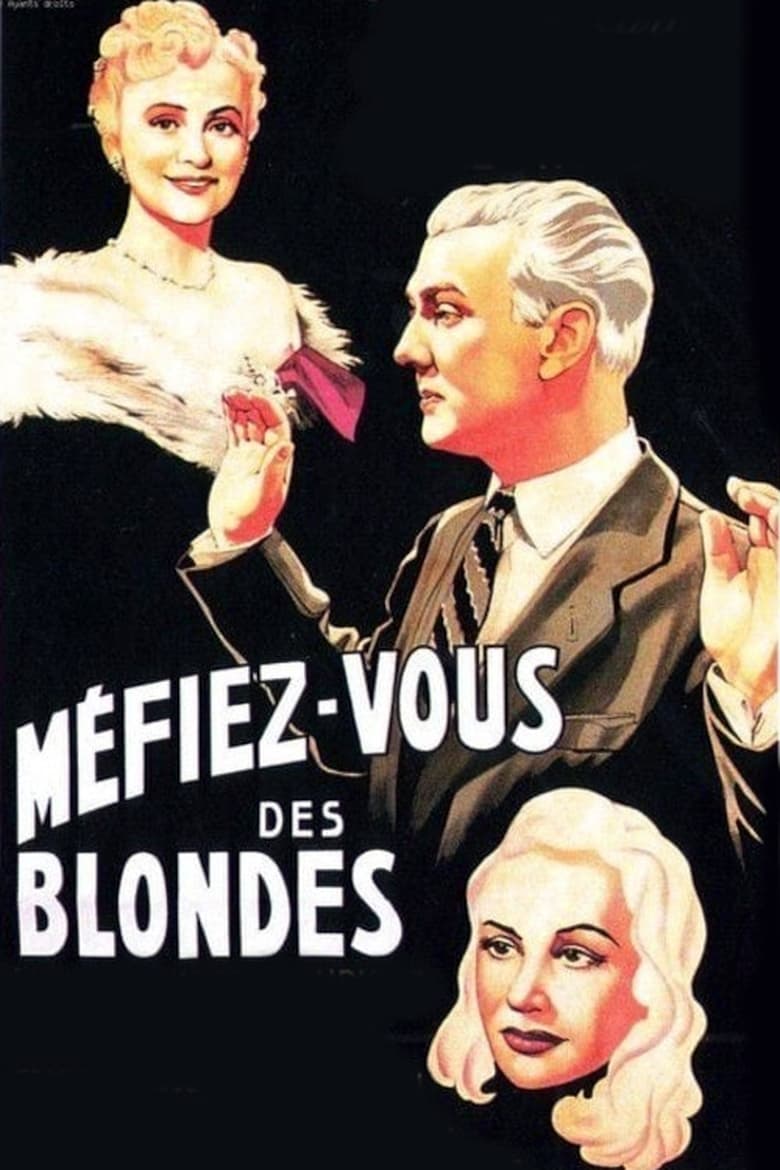
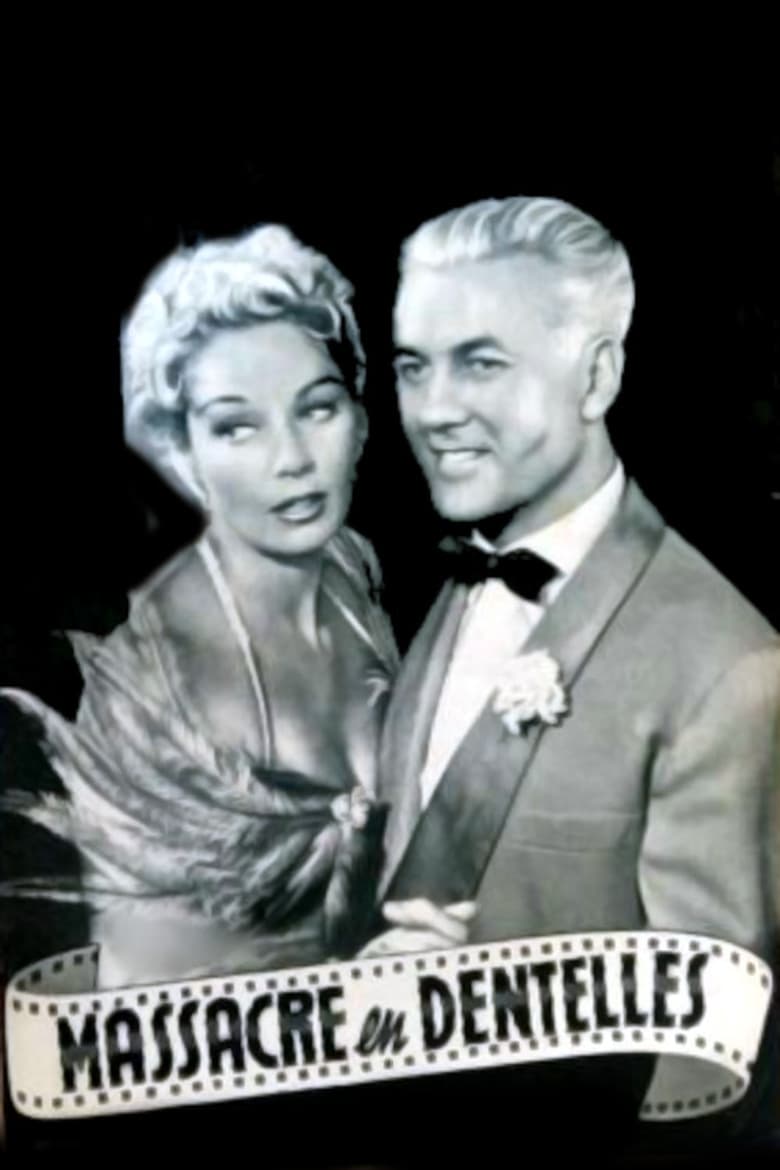
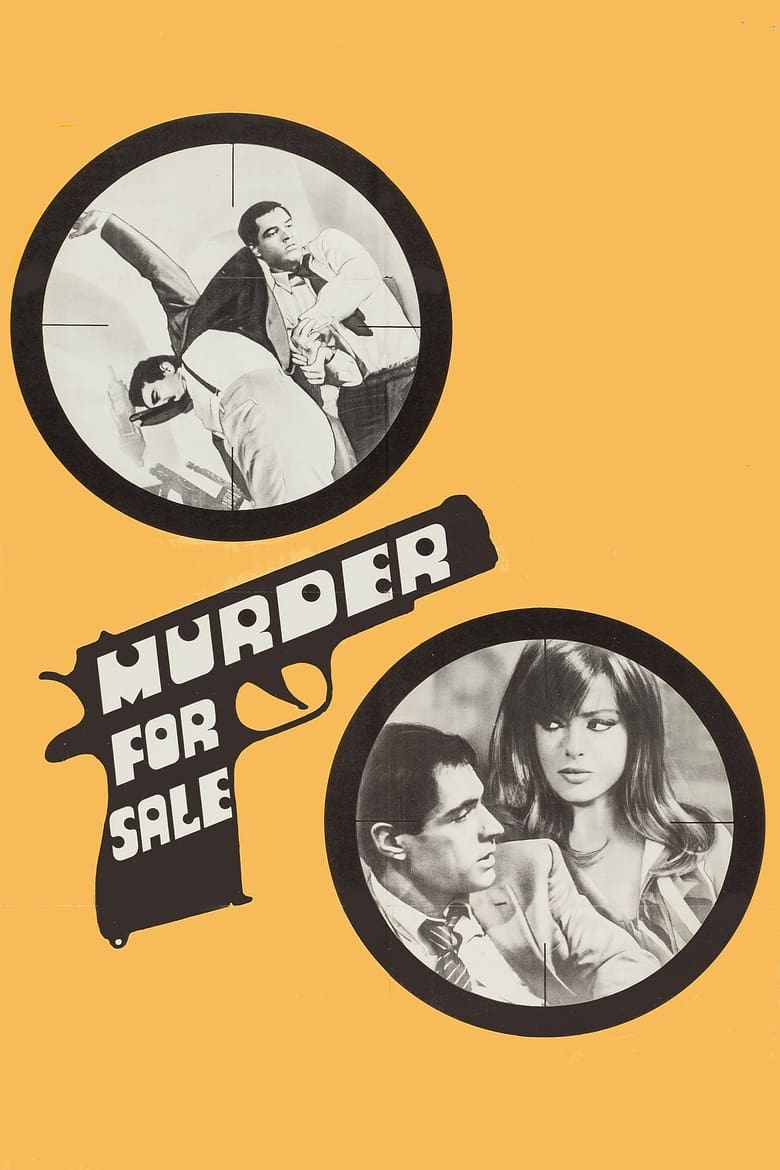
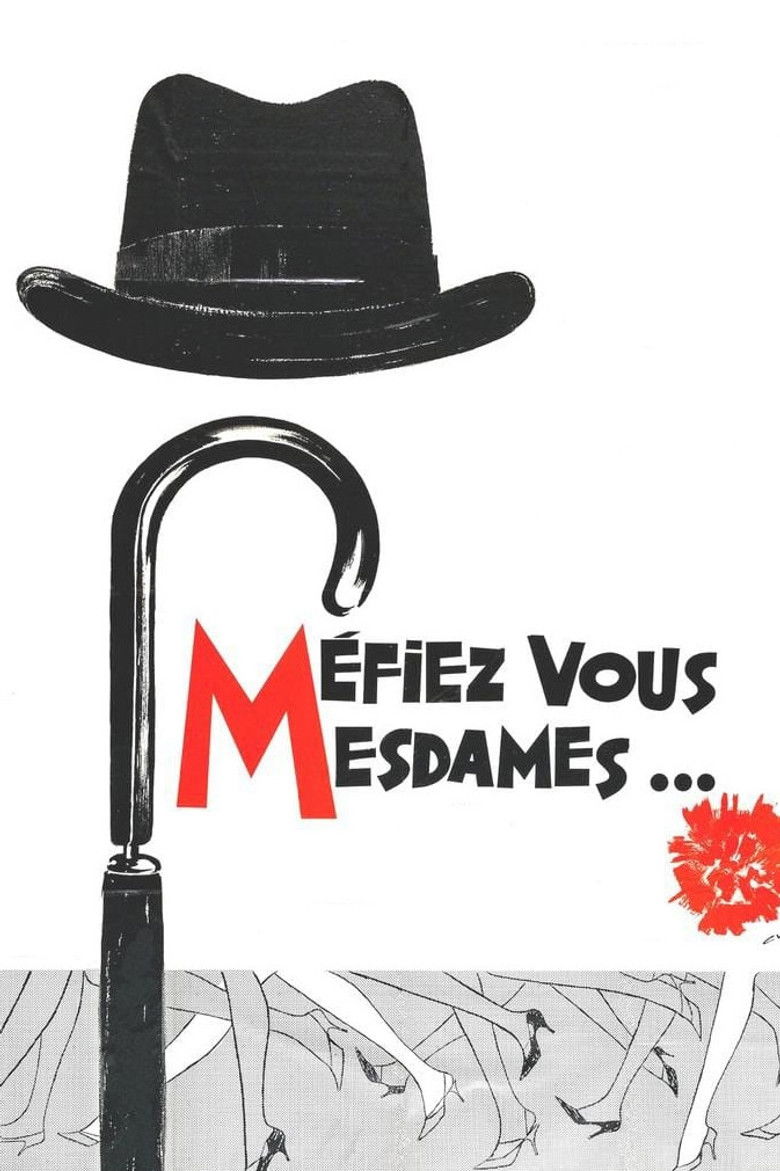
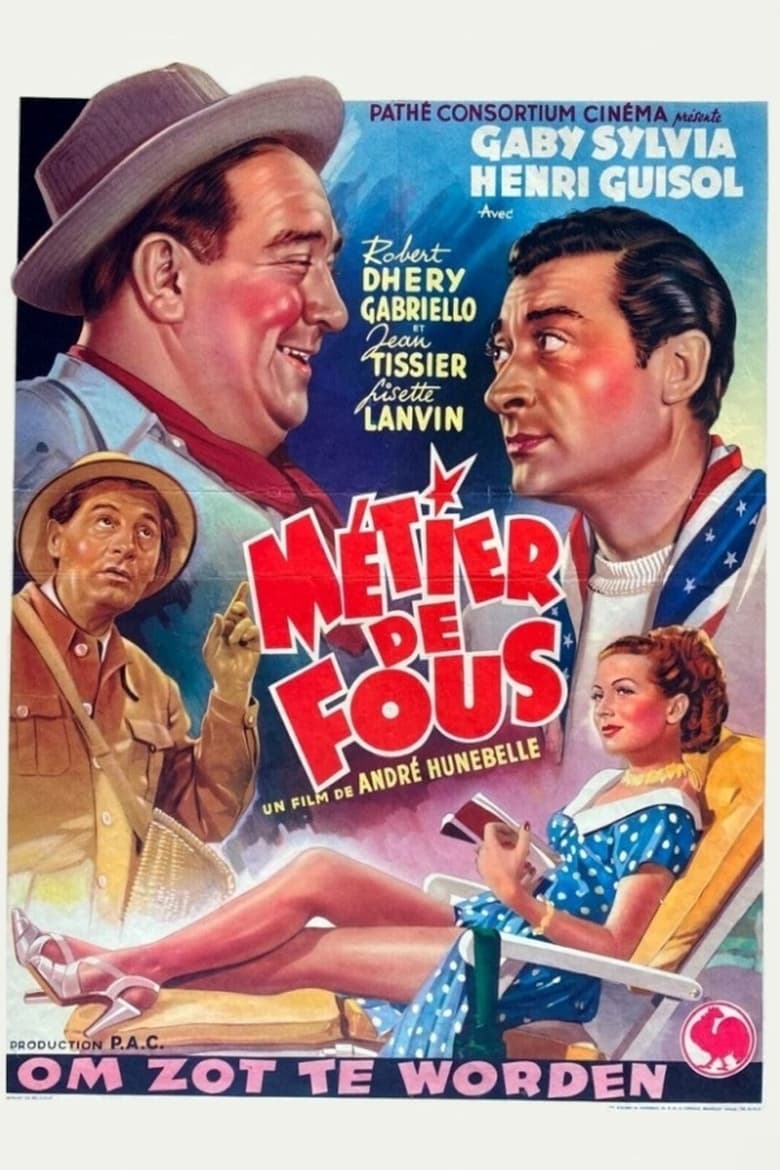
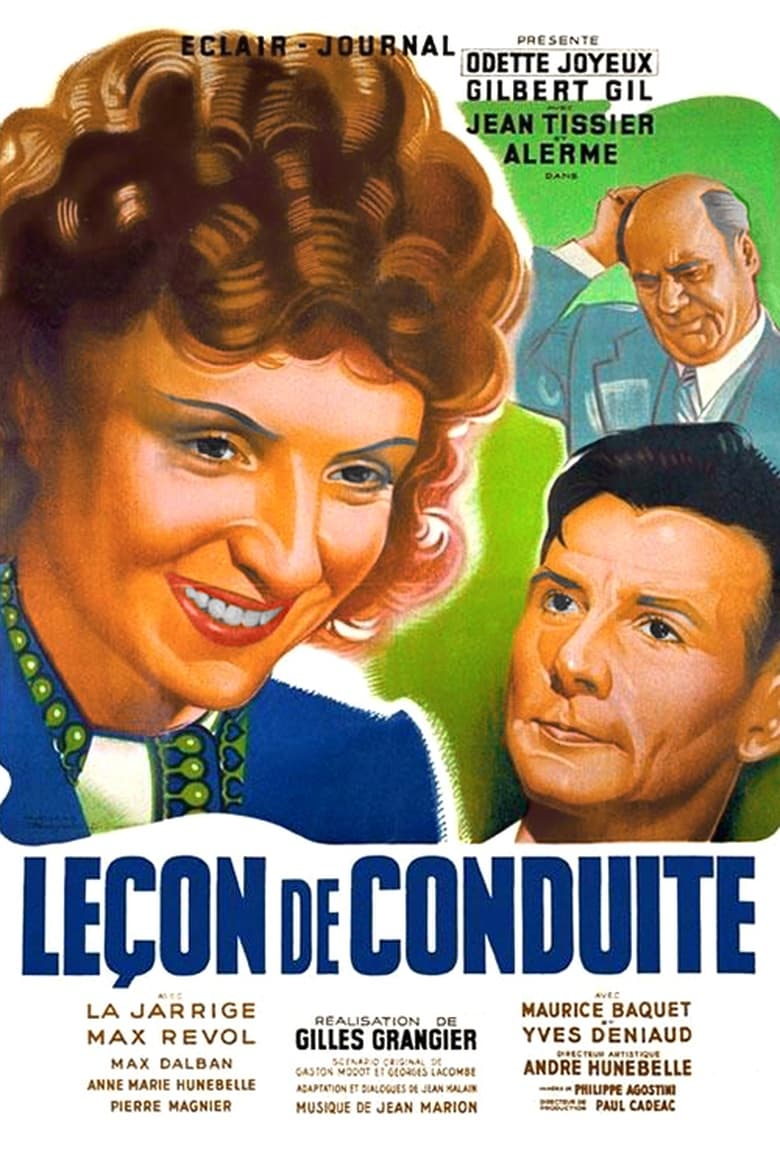
André Hunebelle (1 September 1896 – 27 November 1985) was a French maître verrier (master glassmaker) and film director. After attending polytechnic school for mathematics, he became a decorator, a designer, and then a master glass maker in the mid-1920s (first recorded exhibition PARIS 1927 included piece "Fruit & Foliage"). His work is known for its clean lines, which are elegant and singularly strong. He exhibited his own glass in a luxurious store located at 2 Avenue Victor-Emmanuel III, at the roundabout of the Champs Èlysées in Paris. Etienne Franckhauser, who also made molds for Lalique and Sabino, made the molds for Hunebelle's glass which was fabricated by the crystal factory in Choisy-le-Roi, France. Hunebelle's store ceased all activity in 1938 prior to World War II. Hunebelle pieces are marked in several ways. The most common is A.HUNEBELLE-FRANCE in molded capitals either within the glass design or on the base. Other pieces are marked simply A.HUNEBELLE. There was also a paper label with A and H superimposed in a stylized manner. Since paper labels are frequently lost, many pieces may appear completely unmarked. In the author's collection there are pieces marked A.HUNEBELLE both with and without the word FRANCE, and a bowl marked MADE IN FRANCE that is identical to one shown in a Hunebelle catalogue. Hunebelle also used a more elaborate maker's mark imprinted on some glass pieces which had the word FRANCE encircled by the words MADE IN FRANCE MODELLE DEPOSE et R COGNEVILLE and with A. HUNEBELLE underneath (reflects mid 1930s partnership with COGNEVILLE). In a short essay, he defined his stylistic aims as a glassmaker, explaining that he wanted to be "an adept of an abstract art where the geometric exactness, the poetry of line, and transparency are combined." He also patented techniques for producing exact mouldings of items. His glasswork displays a calculated modernism in contrast to influences derived from animals, plants and flowers which featured in the work of contemporaries such as René Lalique, Pierre D'Avesn and Marius-Ernest Sabino at the time. Hunebelle chose to focus on geometric forms, using technique and his scientific background to enhance light emission as much as possible. Surface contrasts, volume intersections, polished-non polished effects, geometry, light and poetry of line feature prominently in his work. Hunebelle employed both mold-blown and pressed-molded techniques in producing his pieces. Hunebelle was a publisher of a French newspaper called La Fleché. During World War II, he had no job until a friend Marcel Achard found him work in films for Production Artistique Cinématographique (P.A.C.) where he acted as an art director and later began producing films beginning with Leçon de conduite (1946). He directed his first film Métier de fous in 1948. His next three films were a film series of French film noir featuring Raymond Rouleau as a journalist character mixing with crime. All three had the titles beginning with the letter "M" in honour of author Pierre Benoît whose heroines all began with the letter "A". The films were written by Michel Audiard, a crime novelist. ... Source: Article "André Hunebelle" from Wikipedia in English, licensed under CC-BY-SA.